Problem guide
Preventive maintenance visits keep slipping
Preventive maintenance visits slip because they are the easiest work to move when anything urgent comes up, and because nobody sees how far behind the whole program is until a customer or an auditor asks. Make overdue visits visible in one list, protect a share of each week for them, and treat a missed visit as a missed commitment.
What it usually looks like
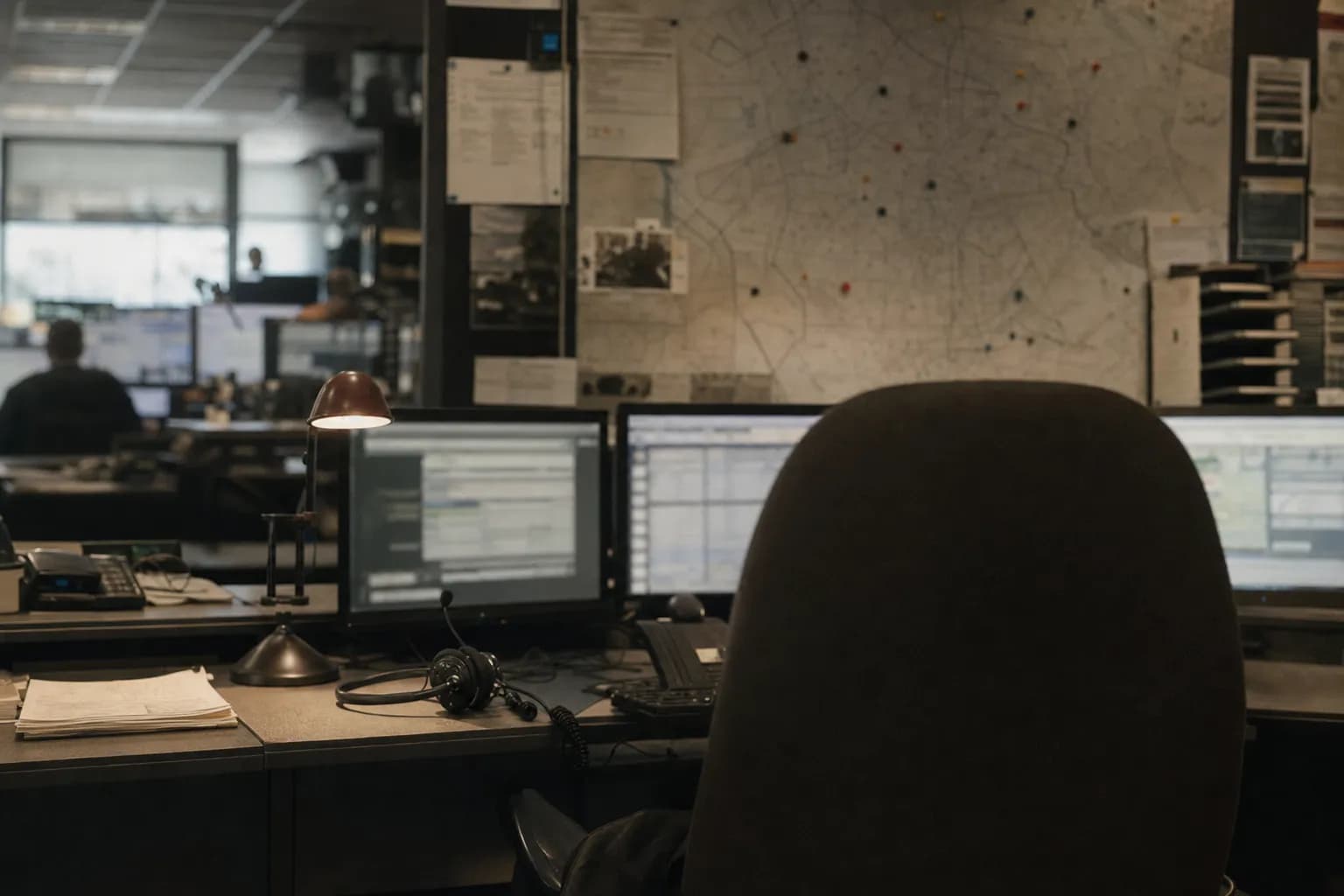
A service company holds quarterly maintenance agreements with dozens of commercial sites. The due dates live in a spreadsheet kept by the contracts administrator. The dispatcher books visits when he remembers to check it. In a busy summer, maintenance jobs are bumped for service calls again and again. In September a facilities director emails to ask why her second quarter visit never happened, and a unit at her building has just failed. The administrator opens the spreadsheet and finds a long column of visits marked due that nobody scheduled.
Signs you have this problem
- Maintenance visits are the first jobs bumped when a service call comes in
- Nobody can quickly say which contracted visits are overdue
- Visits bunch up near the end of a quarter or contract year
- Customers ask when their maintenance is happening before you contact them
- Checklists come back incomplete because the visit was rushed to fit
What usually causes it
- Due dates live in a contract file or spreadsheet that the scheduler does not look at dailyThe invisible queue
- Due dates are retyped from contracts into the schedule by hand, so some never get enteredThe re-entry trap
- Every urgent call is allowed to displace planned maintenance with no rule about limitsThe exception swamp
What to try this week
- Build one list of every visit owedPull every maintenance agreement and write down each site, visit frequency and last completed date in one list. Sort by how overdue each one is.
- Track bumps for a monthEach time a maintenance visit is moved, note why and what replaced it. You will see whether the cause is emergencies, staffing or simply that it is the easiest job to move.
- Protect maintenance timeAs a temporary habit, reserve specific crew days or half days for maintenance, and require a manager to agree before one is moved.
- Review the overdue list weeklyPut the overdue list in front of operations once a week. Start with the oldest visit and the customers with the strictest terms.
Where do-it-yourself stops
These steps show how far behind the program is and slow the slipping. They depend on someone keeping the list current by hand and on managers holding the line. A lasting fix is a tool built around your own contracts and scheduling system, so every visit owed appears on the schedule automatically and stays visible until it is done.
Questions people ask
Why do preventive maintenance visits keep slipping?
Because they have no customer on the phone demanding them today, so they lose to anything urgent. And because the full list of what is owed is rarely in front of the scheduler.
Does it matter if a visit is a few weeks late?
It can. Contracts may promise a set frequency, equipment can fail between visits, and some sites have compliance requirements. Check your own agreements.
Should maintenance have its own crew?
If your volume supports it, a crew that is not pulled onto service calls protects the program. Your overdue list and bump log will show whether it would stay busy.
How do we catch up once we are behind?
Work the overdue list oldest first, and tell affected customers when they will be seen. Do not let new visits fall behind while you catch up.
What does a slipping program cost?
Breakdowns you could have prevented, unhappy contract customers and renewals at risk. Track your own overdue visits and related failures before putting a number on it.
Next step
How we fix this
This guide is how to find it and work around it. If it keeps coming back, the fix is usually a tool built around how your crew already works.
Fox & Santiago, Genesee, Idaho. Home territory: the Inland Northwest, where we respond fastest. We fly anywhere in the United States for paid engagements.