Failure pattern 03
The invisible queue
The invisible queue is work that is waiting somewhere nobody can see: in an inbox, on a truck seat, in someone's head. Because no one can see the line, no one can manage it, and jobs age quietly until a customer calls to ask where things stand.
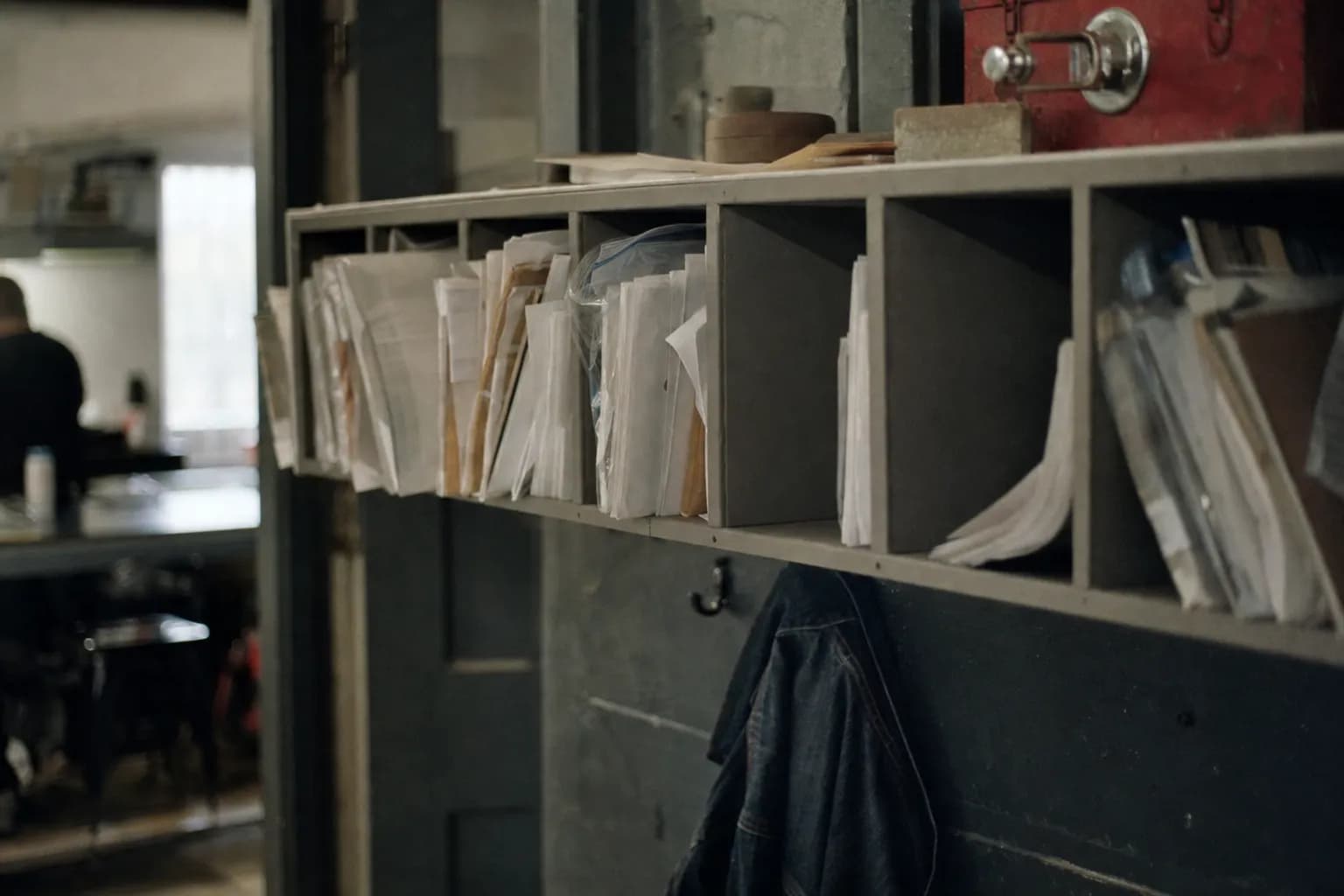
What it looks like
A customer emails a quote request to a general address. Three people can see it; each assumes someone else has it. Nine days later the customer calls a competitor.
How to tell you have it
- "Who has this?" is asked more than once a week.
- Customers call to check status before you tell them.
- Nobody can say how many jobs, quotes or tickets are waiting right now.
- Work is prioritized by who asked most recently or most loudly.
What it costs
Lost work that was never refused, only never answered. And a team that feels busy without knowing whether it is ahead or behind.
What fixes it
A queue that fills itself. The tool catches items where they already arrive, assigns an owner, and shows age. The goal is not a new place to do work, but one place to see what is waiting.
What does not fix it
A weekly meeting to review what is open. It shows the queue once a week and hides it the other six days.
Questions people ask
What is the invisible queue?
It is any backlog that exists but is not written down in one place with a status: quote requests in a shared inbox, paperwork waiting in a truck, approvals someone means to get to. The work is real; the line is invisible.
Why is it a problem if the work gets done eventually?
Because nobody can tell which item is about to become late, which customer is waiting longest, or whether the team is falling behind until it already has. Managing a queue requires seeing it.
How do I find mine?
Ask each person where their waiting work lives. If the answers are inboxes, notebooks, text threads and memory, the queue is invisible.
Isn't a task board enough?
Only if the work enters it automatically. A board that depends on someone remembering to add each item recreates the queue it was meant to replace.
What does fixing it look like?
Every incoming item lands in one list with an owner and an age, without anyone having to copy it there. The oldest item is always visible to the person who can act on it.