Shared vocabulary
Operational failure patterns
Most broken operational workflows fail in one of six ways: the re-entry trap, the handoff gap, the invisible queue, the exception swamp, the field-to-office split, and approval drag. Naming the pattern is the first step to choosing the right fix.

Each pattern below links to a page with the signs, the cost, what fixes it and what does not.
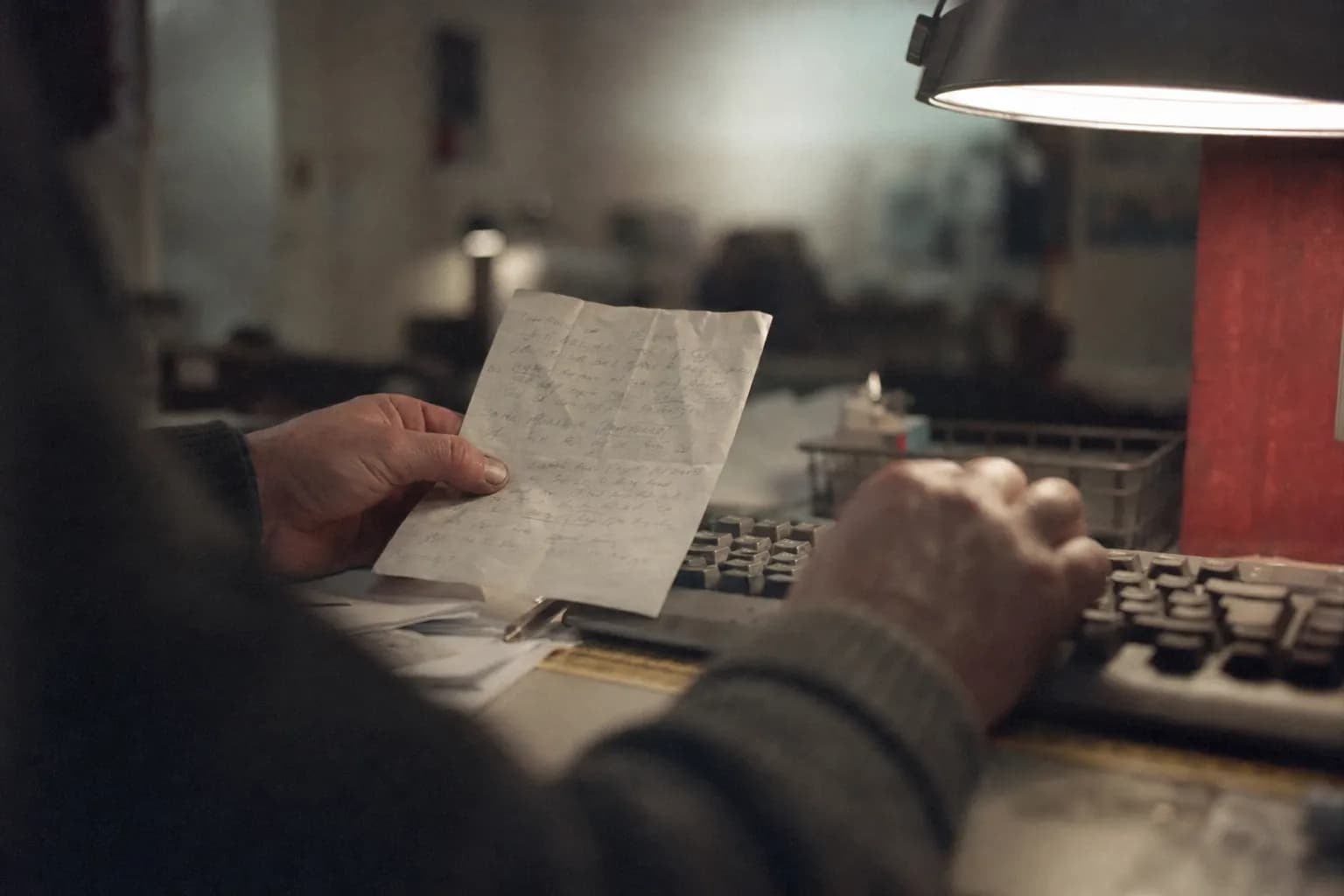 The re-entry trapThe re-entry trap is when the same information is typed by hand twice: once where the work happens and again into the system that bills, schedules or reports on it. Every second entry costs office hours, adds errors, and delays the money.
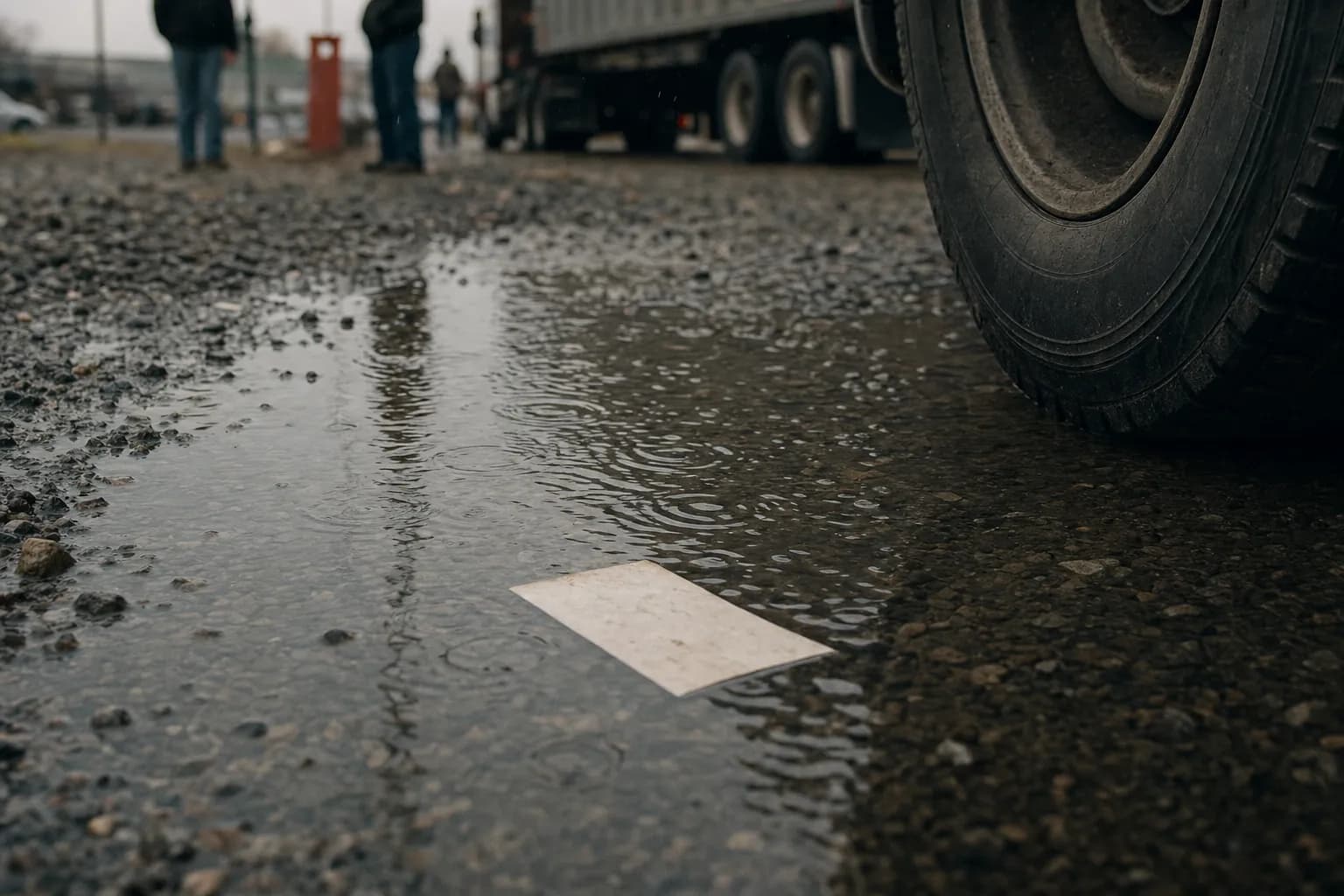 The handoff gapThe handoff gap is the moment work passes from one person or team to the next and the context does not travel with it. Nobody owns that moment, so details get lost, questions get asked twice, and the next person starts from less than the last one knew.
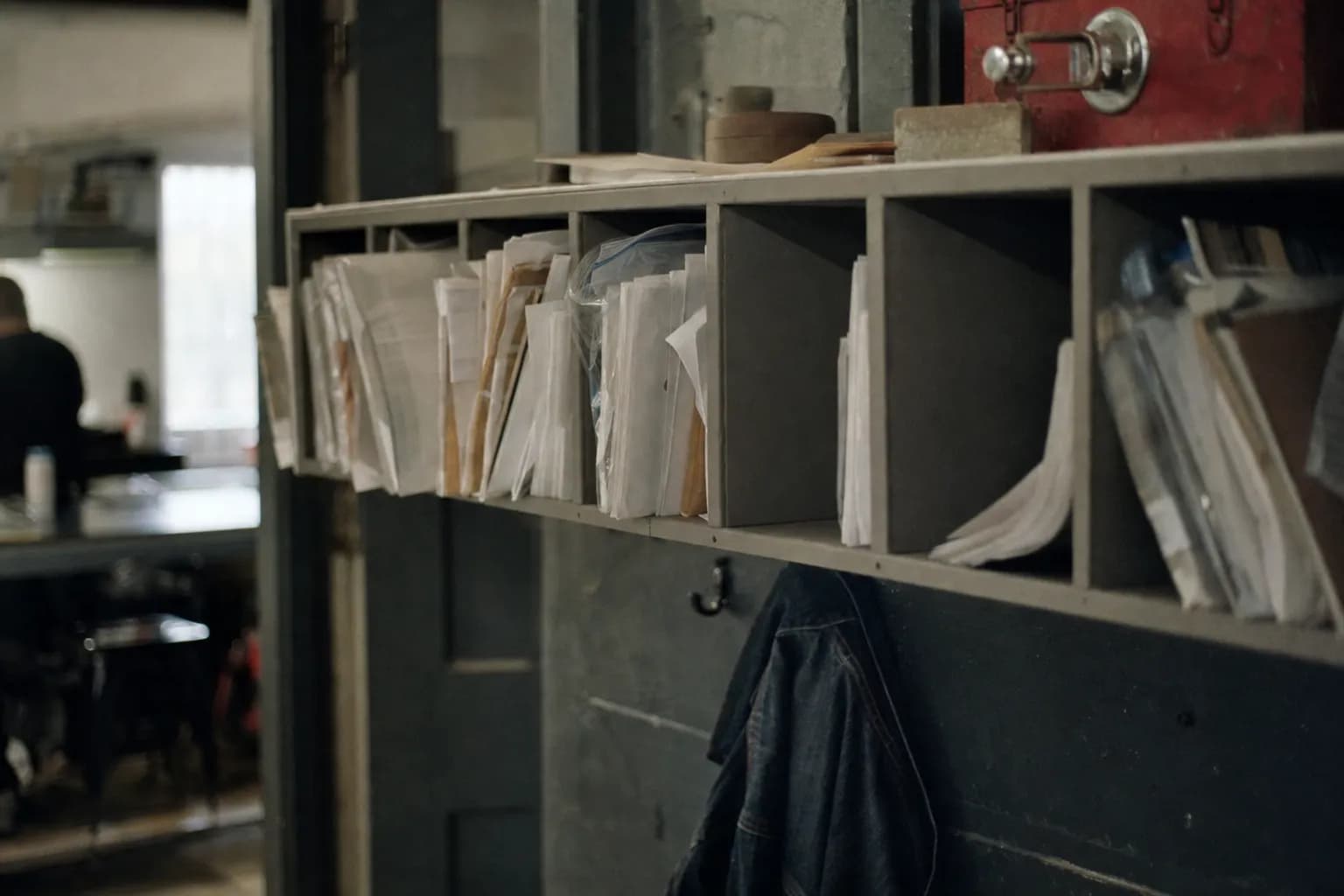 The invisible queueThe invisible queue is work that is waiting somewhere nobody can see: in an inbox, on a truck seat, in someone's head. Because no one can see the line, no one can manage it, and jobs age quietly until a customer calls to ask where things stand.
 The exception swampThe exception swamp is when the normal path of a workflow runs fine but the exceptions, such as change orders, missing parts, access problems and warranty questions, are handled by phone, memory and improvisation. Exceptions become most of the day, and nobody can see how many there are.
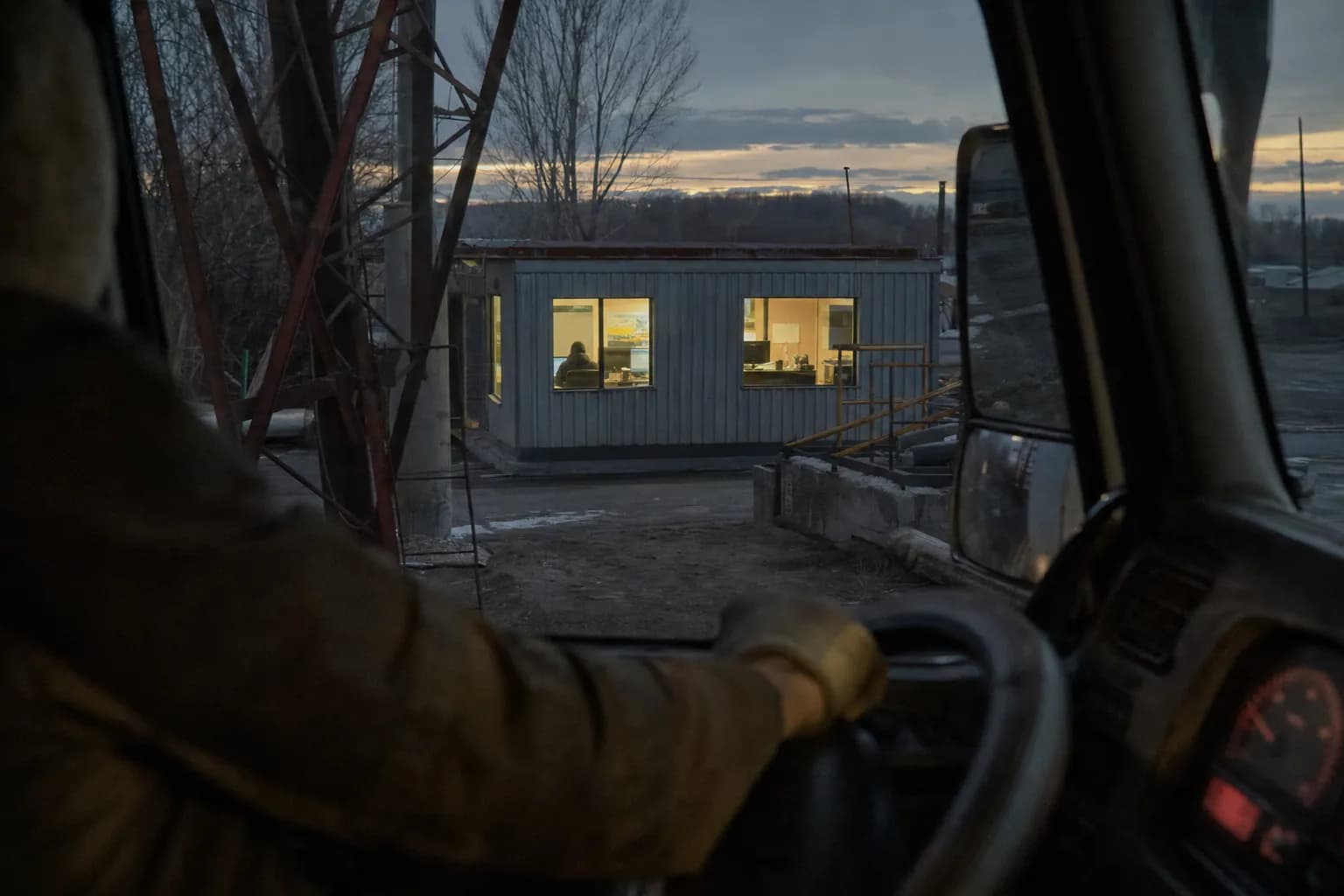 The field-to-office splitThe field-to-office split is when what the crew knows and what the office knows drift apart. The office schedules, prices and promises using information that was true this morning but not now, and the crew works around decisions made without them.
 Approval dragApproval drag is when work stops to wait for a sign-off from someone who is not there, and nothing reminds, escalates or records the wait. Jobs sit idle not because anyone said no, but because nobody said yes yet.
Questions people ask
Why name failure patterns at all?
Because a shared name turns a vague complaint, like the system is too slow, into a specific problem with a known shape and a known kind of fix.
Can a workflow have more than one pattern?
Often. A job ticket that is retyped in the office is a re-entry trap; if it also waits in a truck for three days, that is an invisible queue too. The one that costs most is usually the one to fix first.
Which pattern is most common?
We do not publish a ranking until we have measured records to support it. The Operational Handoff Index is designed to answer that question with data, and will state its sample size and limits.
Do these apply outside field service companies?
They apply wherever work moves between people who do not sit together: construction, manufacturing, distribution, facilities, and service companies of every kind.
How do I find out which pattern I have?
Walk one job from first contact to final payment and write down every time information is retyped, lost, waits unseen, gets improvised, drifts from reality, or stalls for a sign-off. The pages below describe the signs of each.