Problem guide
The schedule falls apart by mid-morning
The schedule falls apart by mid-morning because it is built on job durations and conditions nobody checked, and because the dispatcher learns about delays only when someone calls. Build the day on measured job times, keep a little slack on purpose, and make overruns visible the moment they start instead of an hour later.
What it usually looks like
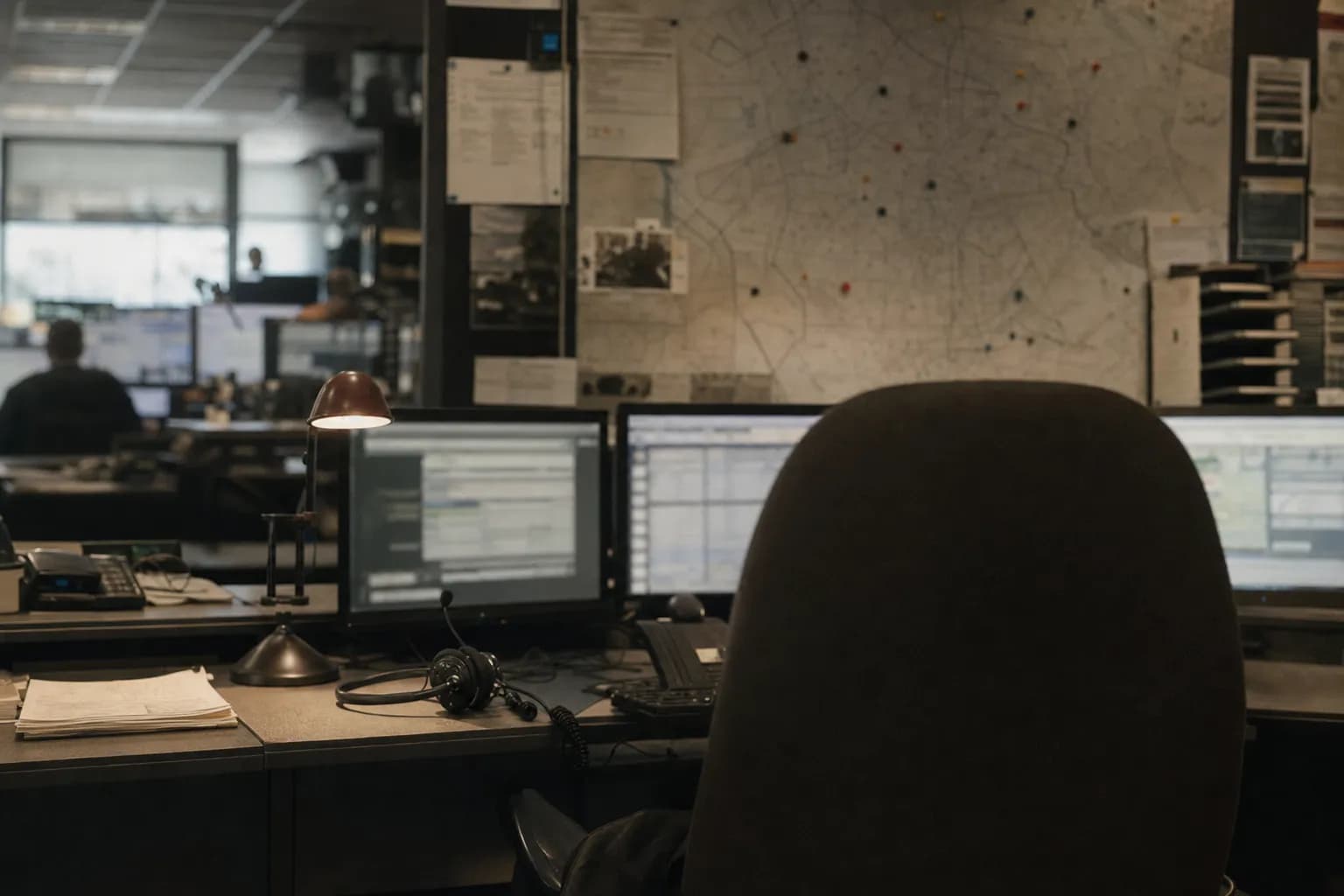
The dispatcher builds tomorrow's board at four in the afternoon, booking every job at the length it has always been booked. At eight the next morning, the first crew finds the customer's equipment room locked and waits forty minutes for a key. Nobody tells the office. At nine thirty the second customer calls asking where the crew is. The dispatcher starts calling around, learns about the delay, and spends the rest of the morning sliding jobs, calling customers and pulling a crew off one job to cover another. By lunch the printed schedule is scrap paper.
Signs you have this problem
- By ten in the morning the dispatcher is on the phone moving the afternoon around
- The first job of the day routinely runs long and every stop after it starts late
- Crews call in to ask where to go next because the plan on paper no longer fits
- Customers get calls that their window has moved, often more than once in a day
- The schedule board at the end of the day looks nothing like the one printed that morning
What usually causes it
- Job lengths are guessed from memory instead of taken from how long similar jobs actually tookThe re-entry trap
- The dispatcher only learns a job is running long when a crew calls in, well after it started slippingThe field-to-office split
- Site conditions and customer notes known at booking never reach the person building the scheduleThe handoff gap
- Every late start, locked gate and missing contact is handled as a one-off phone callThe exception swamp
What to try this week
- Record planned versus actual for two weeksFor every job, write down the booked duration and the real one. Group them by job type. The gap tells you which estimates are fiction.
- Write down why each day brokeAt the end of each day, note the first job that ran over and the reason. After two weeks you will see whether the cause is estimating, access, parts or late calls.
- Leave deliberate slackStop filling every hour. Hold an open block in each crew's day as a temporary habit and watch whether the afternoon survives.
- Ask crews to report overruns earlySet a simple rule: if a job will run long, the crew tells dispatch as soon as they know, not when they finish. A one-line text is enough for now.
Where do-it-yourself stops
These steps make the problem visible and buy some breathing room. They do not give the dispatcher a live picture of every crew or put real job durations into the schedule automatically. That takes a tool built around your own scheduling system and the way your crews report from the field, so the plan adjusts as the day unfolds. That is what a Workflow Spec designs.
Questions people ask
Why does the schedule fall apart so early in the day?
Usually because the first jobs were booked on guessed durations and nobody knows they are running long until a crew calls. One overrun early pushes every stop after it.
Is the answer a better scheduling system?
Not by itself. A new system built on the same guessed durations and the same phone calls will break the same way. Fix what feeds the schedule first.
How much slack should we leave?
Start with what your own planned versus actual numbers show. If jobs of one type run long most days, that type needs more time or a buffer after it.
Should crews call dispatch more often?
They should report overruns early, but more calls also load the dispatcher. The goal is fewer, earlier signals, not more conversation.
What does a broken schedule really cost?
Idle time, overtime, rescheduled customers and lost trust. Measure your own reschedules and overtime for a few weeks before putting a number on it.
Next step
Want this fixed for good?
This guide is how to find it and work around it. If it keeps coming back, the fix is usually a tool built around how your crew already works. Start with a free twenty-minute fit call.
Fox & Santiago, Genesee, Idaho. Home territory: the Inland Northwest, where we respond fastest. We fly anywhere in the United States for paid engagements.