Problem guide
Vendor invoices don't match purchase orders
Vendor invoices don't match purchase orders when the order changes after it is written, items are received without being checked against the order, or purchases happen with no purchase order at all. The fix is keeping the order, the receipt and the invoice tied together from the start, so a mismatch shows up when it happens instead of at month end.
What it usually looks like
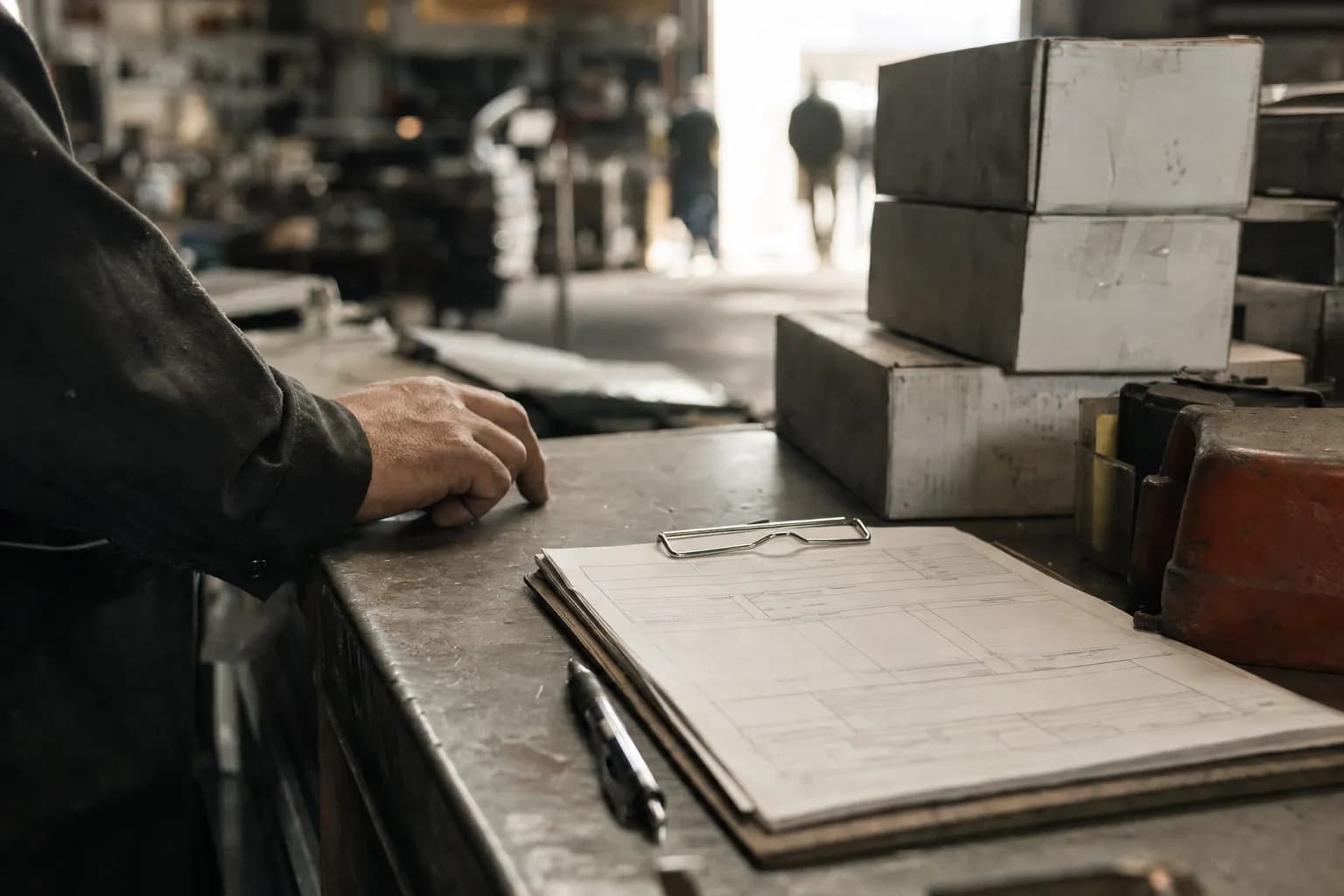
A project manager creates a purchase order for twelve lengths of pipe at the quoted price. At the supply counter, the foreman swaps two fittings for a different size and adds a box of hangers, and the counter clerk rings it up. The material goes straight to the job site, and the packing slip stays in the truck door. Three weeks later the invoice reaches accounts payable with items and a total that match nothing on file. The payables clerk emails the project manager, who forwards it to the foreman, who is on vacation.
Signs you have this problem
- Accounts payable holds invoices while someone figures out what was ordered
- Invoices show items, quantities or prices that are not on any purchase order
- Purchase orders are created after the invoice arrives, just to have one
- Nobody in the office knows whether the material was actually delivered
- Vendors call about late payments on invoices stuck in review
What usually causes it
- Orders change by phone at the supply counter, and the purchase order is never updatedThe field-to-office split
- Receiving happens on a job site or in the shop, and the packing slip never reaches accounts payableThe handoff gap
- Every mismatch becomes a one-off investigation handled by whoever has timeThe exception swamp
- Purchase order details are retyped from notes and quotes, and small errors creep inThe re-entry trap
What to try this week
- Sort a month of mismatches by causeTake every invoice that did not match last month and write down why: price, quantity, missing purchase order, item not received, or substitution. The biggest group is where to start.
- Find out where packing slips goFollow a few deliveries and see where the packing slip ends up. If it stays in a truck or the shop, set a simple habit of photographing it and sending it to accounts payable the same day.
- Stop after-the-fact purchase ordersCount how many purchase orders are created after the invoice arrives. Make that number visible to managers each month.
- Agree on a match toleranceDecide with your controller what small price or freight differences can be approved without investigation. Write it down so accounts payable stops escalating every penny.
- Keep a list of open mismatchesPut every stuck invoice on one list with the vendor, the problem and who owns resolving it, and review it weekly.
Where do-it-yourself stops
These steps sort out the noise and catch some mismatches earlier. They do not tie the order, the receipt and the invoice together as they happen, or route a mismatch to the right person with the evidence attached. That takes a tool built around your own purchasing habits, your receiving points and your accounting system. That is what a Workflow Spec designs.
Questions people ask
Why don't vendor invoices match our purchase orders?
Usually because something changed after the purchase order was written, or because receiving was never recorded in a place accounts payable can see.
What is a three-way match?
It is checking that the purchase order, the receiving record and the invoice agree before paying. It only works if receiving is actually recorded.
Should we require a purchase order for every purchase?
Requiring one is easy. Making it quick enough that people actually create it before buying is the hard part, especially in the field.
How much do mismatches cost us?
Count the hours spent resolving them, the late fees or lost discounts, and any overpayments you catch. Measure your own before estimating.
Is this an accounting problem or an operations problem?
It shows up in accounting, but most causes start in operations: at the supply counter, on the job site and at the receiving dock.