Failure pattern 05
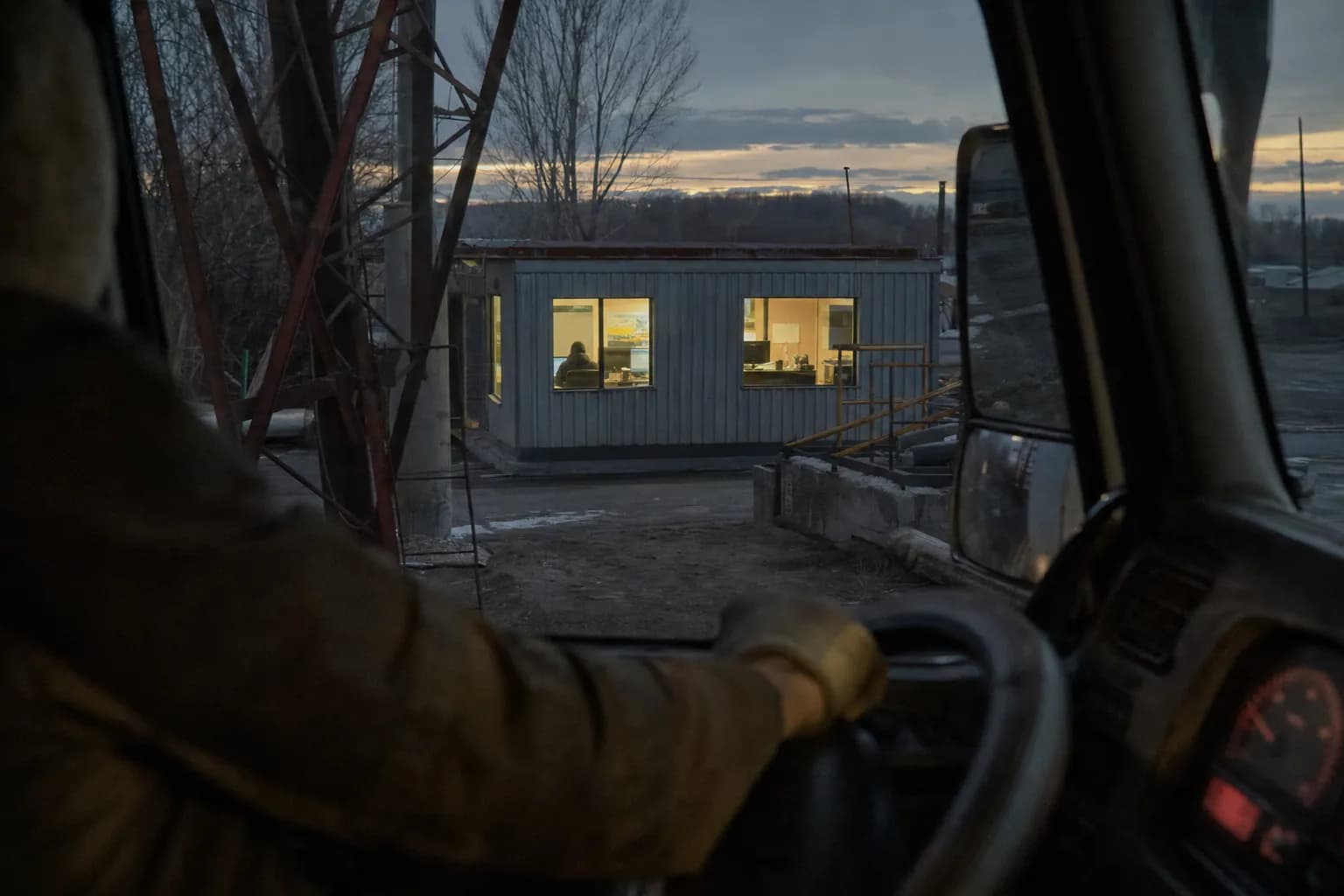
The field-to-office split
The field-to-office split is when what the crew knows and what the office knows drift apart. The office schedules, prices and promises using information that was true this morning but not now, and the crew works around decisions made without them.
What it looks like
A job runs long because a surface needed more preparation than expected. The crew knows at ten in the morning. The office finds out at four, after it has promised the same crew to another customer for the afternoon.
How to tell you have it
- The office learns about delays from the customer.
- Job costs are a surprise at month end.
- Crews describe office decisions as made by people who have not seen the job.
- Updates come in by text message and are forwarded around.
What it costs
Broken promises to customers, idle or double-booked crews, and pricing that never learns from what actually happened.
What fixes it
Capture shaped for the field: a few taps, working without signal and catching up when it returns, sending only what the office needs to decide. The office sees change when it happens.
What does not fix it
Giving the crew a login to the office system. Desk software on a phone in the rain is still desk software.
Questions people ask
What is the field-to-office split?
It is the gap between two pictures of the same work: the one in the heads and phones of the people doing it, and the one in the office's systems. When they diverge, the office decides based on stale information.
Why does it happen?
Because office systems are built for desks and field work does not happen at one. Capturing updates is inconvenient on site, so updates arrive late, in batches, or not at all.
What are the signs?
Schedules that fall apart by mid-morning, customers told one thing by the office and another by the crew, and job costs that are only known after the job is closed.
Can't we just require crews to update the system?
Requirements without a tool that fits the work get skipped under pressure. The update has to be quicker than not updating, on the device the crew already carries, in the conditions they work in.
What does fixing it look like?
A small capture tool built for the field conditions, that sends the few facts the office needs the moment they change, and lands them in the office's system without retyping.