Failure pattern 02
The handoff gap
The handoff gap is the moment work passes from one person or team to the next and the context does not travel with it. Nobody owns that moment, so details get lost, questions get asked twice, and the next person starts from less than the last one knew.
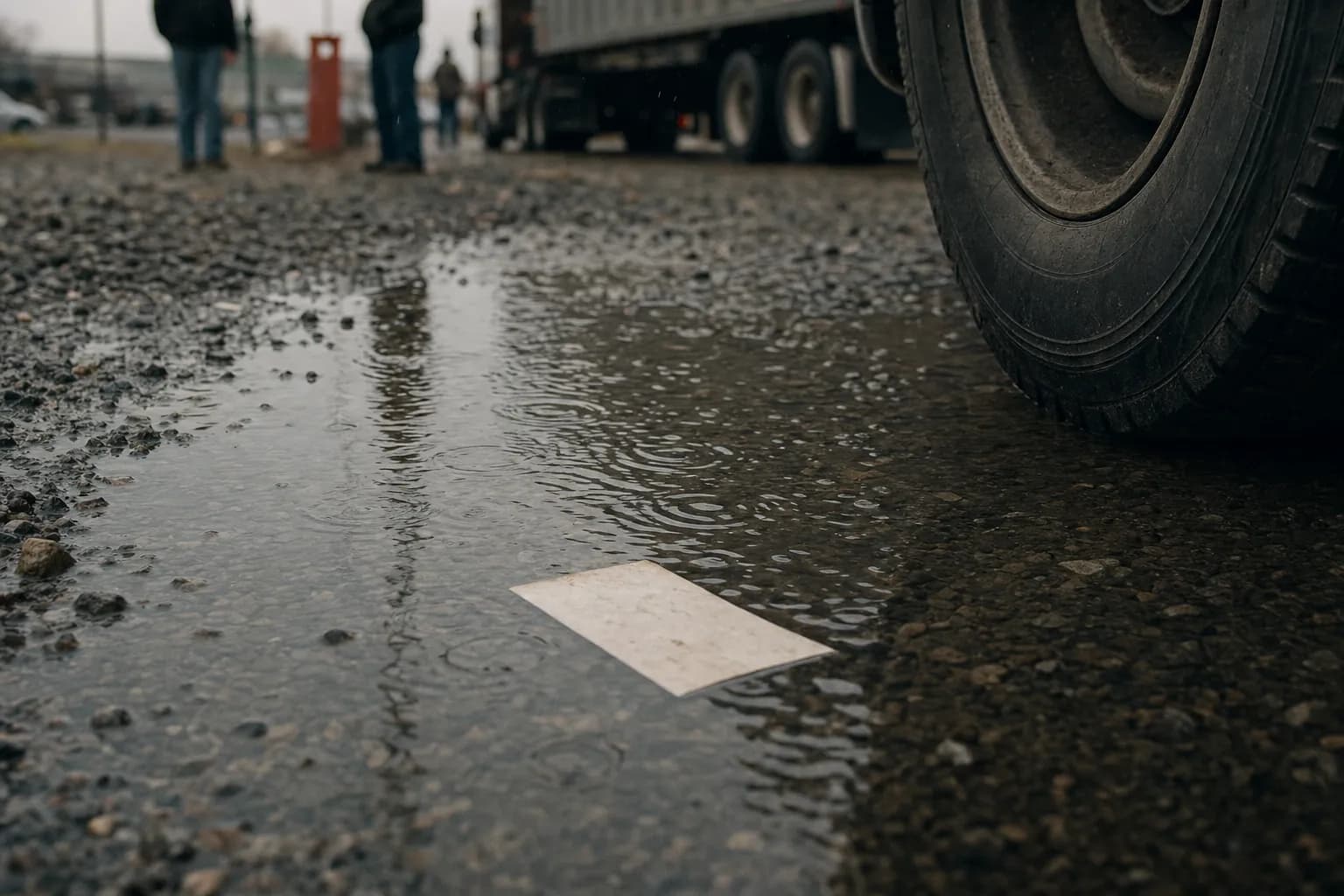
What it looks like
An estimator walks a site, notices the access is tight and the customer wants the work done before a shutdown date. The estimate goes over. The scheduler sees a job and a price. The crew shows up with the wrong equipment on the wrong day, and the customer is annoyed about something that was already known.
How to tell you have it
- The same question gets asked of the customer twice.
- Crews call the office from the job to find out what was agreed.
- "I didn't know that" is a common phrase in post-job reviews.
- The person who took the call is the only one who knows the details.
What it costs
Rework, return trips, and customer trust. The cost lands on the next person in line, which is why the person causing it rarely sees it.
What fixes it
A handoff that carries its own context. The tool asks for the few things the next step always needs, at the moment the current person has them, and delivers them where the next person already looks.
What does not fix it
A shared drive or a new field in the CRM that nobody is required to fill. If the handoff can happen without the context, it will.
Questions people ask
What is the handoff gap?
It is the space between the end of one person's part of a job and the start of the next person's. Sales to estimating, estimating to scheduling, the field to billing: each hands over a result, but not the reasons, conditions and exceptions behind it.
Isn't this just a communication problem?
Partly, but telling people to communicate better rarely holds. The gap persists because nothing in the workflow requires the context to move. A tool can make the handoff carry what the next person needs by default.
Where does it show up most?
Wherever work crosses a department line or a location line: office to field, shop to site, sales to operations, one shift to the next.
How do you find the worst handoff?
Walk one job from first call to final invoice and count the times someone has to ask a question that was already answered earlier. The handoff with the most repeat questions is usually the one to fix first.
What does a fix deliver?
A handoff that arrives complete: the job, the conditions found, what was promised to the customer and what is still open, in the form the receiving person actually works in.