Problem guide
Daily reports from job sites are late or missing
Daily reports go late or missing when writing them is a long end-of-day chore for a tired foreman, and nobody in the office notices a missing one until it is needed. Cut the report to what the company actually uses, make it quick to send from the site, and check for missing reports the next morning, not at month end.
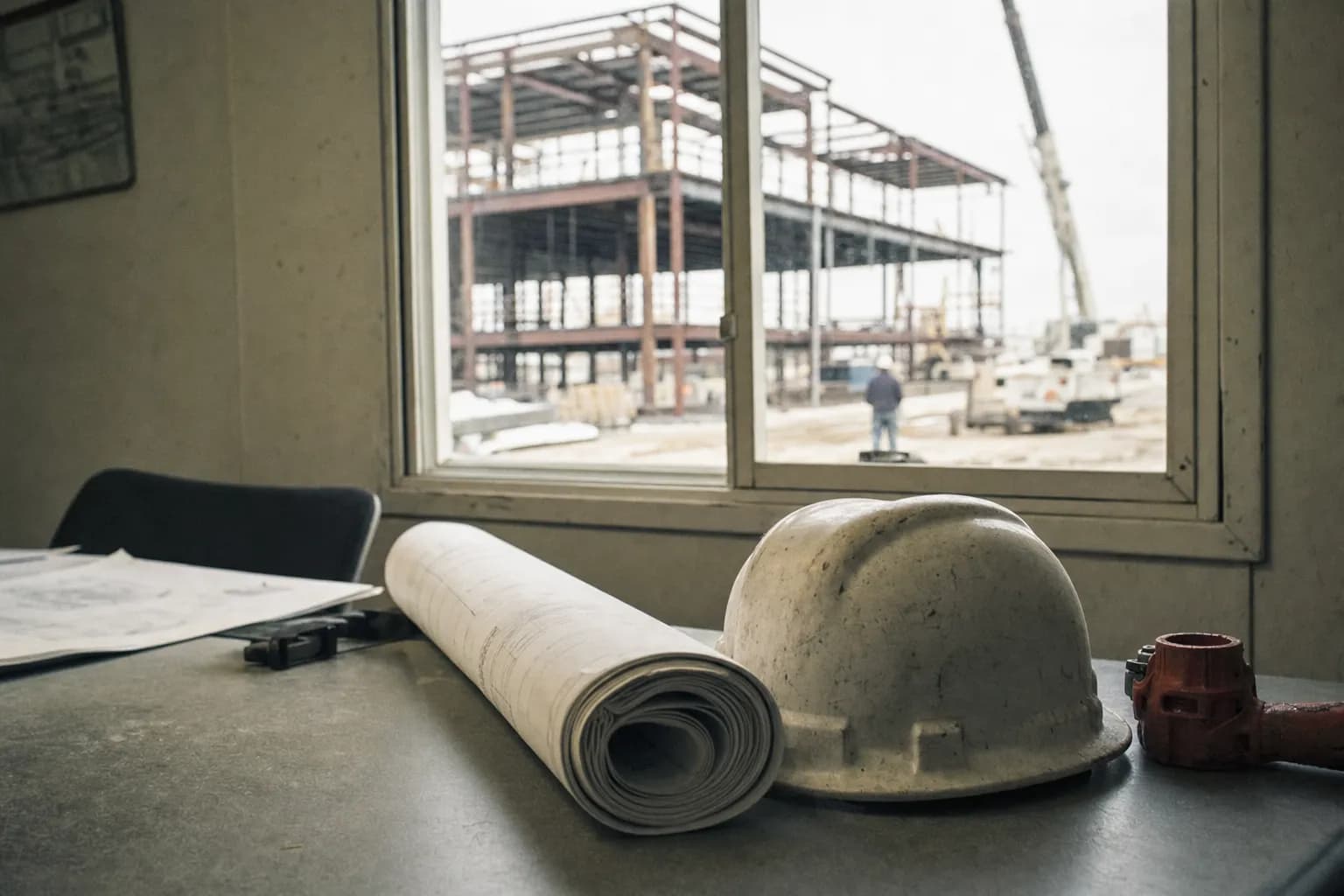
What it usually looks like
A foreman on a school renovation finishes at five, loads the truck, and has a two-page daily report form waiting in the cab. He fills it in on Friday for the whole week, guessing at headcounts and weather for Tuesday. Wednesday's page never gets written. The project engineer types the pages into a spreadsheet the next week. Two months later the general contractor disputes a delay, and the project manager goes looking for what happened that Wednesday. There is no report, only a few undated photos on the foreman's phone.
Signs you have this problem
- Daily reports arrive in a batch at the end of the week or when someone asks for them
- Some days on a job have no report at all, and nobody noticed until a dispute
- Reports are written from memory days later, with manpower and weather filled in by guess
- The office retypes handwritten reports or photos of them into another file
- Delay and change claims stall because the site record for those days is thin
What usually causes it
- The report form asks for more than a foreman can fill in at the end of a long day on siteThe field-to-office split
- Reports arrive as paper, photos or free-form emails, so someone has to retype them before anyone can use themThe re-entry trap
- Nobody checks each morning which jobs are missing yesterday's reportThe invisible queue
What to try this week
- Map the gaps for the last monthPick two or three active jobs and mark every working day in the past month as reported on time, reported late or missing. The pattern usually points to specific jobs, foremen or days of the week.
- List what the report is actually used forAsk the project managers and the office which parts of the daily report they read and why, such as manpower, delays, visitors, weather or work completed. Make everything else optional.
- Ask the foremen what makes it hardTalk to a few foremen about when and how they write the report. Timing, signal, the length of the form and not knowing what matters are the usual answers.
- Check for missing reports every morningHave one person in the office look at yesterday's reports first thing each day and call any job that did not send one while the day is still fresh.
- Let photos carry part of the recordAsk crews to take a few dated photos of the work each day and attach them to the report. A photo with a one-line note is easier to send than a paragraph.
Where do-it-yourself stops
These steps get more reports in on time and show you where they go missing. They do not get the site record into your project and cost systems without someone retyping it, and the morning check fades when the office gets busy. A lasting fix is a tool built around your own report, your own jobs and your own systems, so a foreman's entry arrives complete and already in the right place. That is what a Workflow Spec designs.
Questions people ask
Why are our daily reports always late?
Usually because the report is long, it is written at the worst moment of the day, and nobody notices a missing one until much later.
What should a daily report include?
Whatever your company actually uses it for, which often means manpower, work done, delays, visitors, weather and photos. Follow your contracts on anything they require the report to contain.
Should the foreman or the superintendent write it?
The person who was on site all day. What matters more is that it is one named person per job, every day.
Can we fill in missing reports later?
You can, but a report written from memory days later is weaker and may be less useful if it is ever needed in a dispute. The goal is the same day.
What does a missing daily report cost us?
It shows up when you need a record of what happened on a day and it is not there. Count your own missing days before putting a number on it.
Next step
How we fix this
This guide is how to find it and work around it. If it keeps coming back, the fix is usually a tool built around how your crew already works.
Fox & Santiago, Genesee, Idaho. Home territory: the Inland Northwest, where we respond fastest. We fly anywhere in the United States for paid engagements.