Problem guide
Spreadsheets became the system of record
Spreadsheets become the system of record when the official systems cannot hold what people actually need to track, so someone builds a sheet to fill the gap and everyone starts trusting it. The lasting fix is not banning the sheet but giving that information a proper home that is fed without retyping.
What it usually looks like
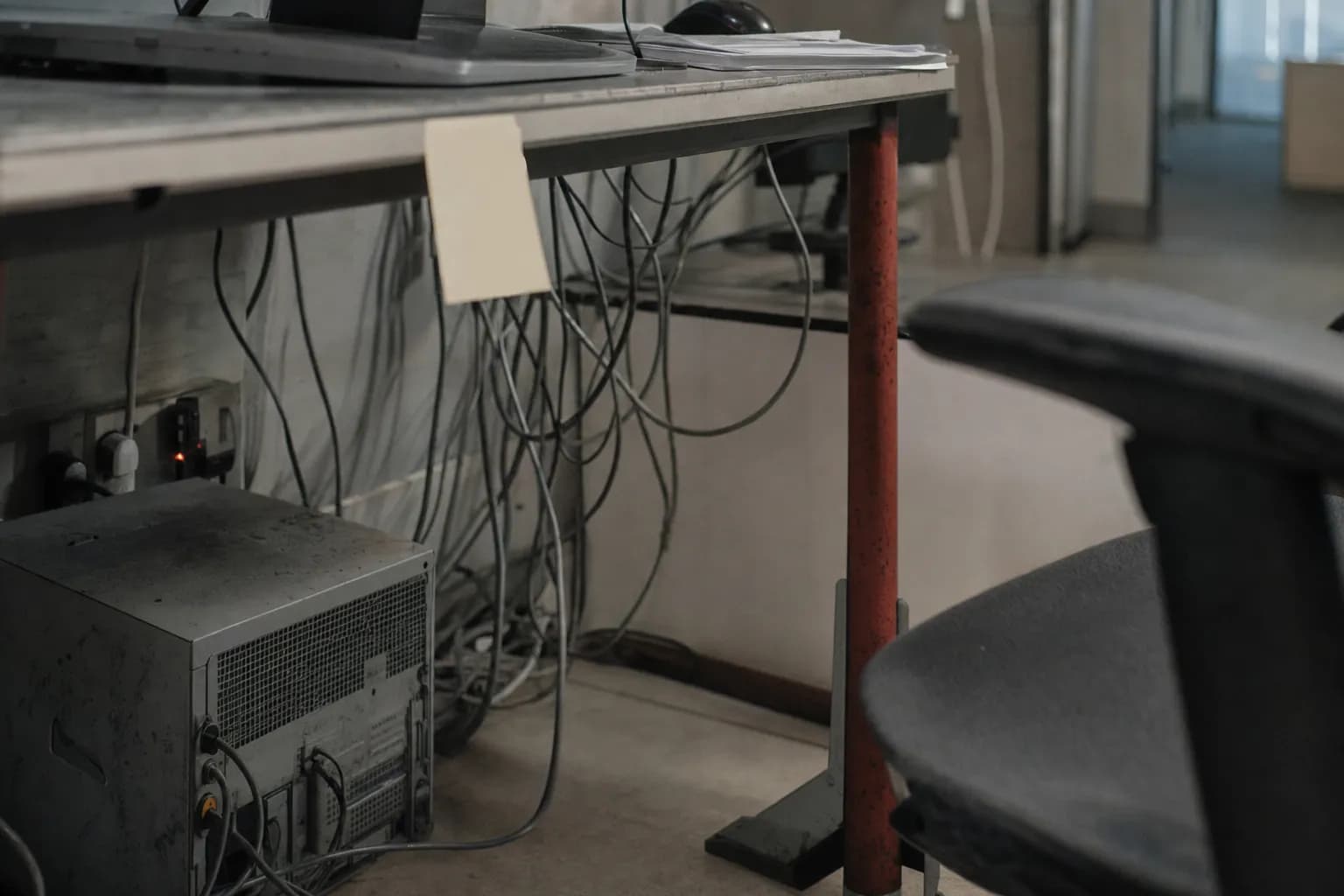
The operations lead keeps a spreadsheet of every open job: who is assigned, what it is waiting on, what the customer was promised. Each morning she copies new jobs in from the field app and updates statuses from her texts. Cells are colored by a system only she understands. The owner, the dispatcher and the estimator all open it, sometimes from different saved copies. When she takes a week off, nobody updates it, and by Wednesday the office is calling crews to find out where things stand.
Signs you have this problem
- Decisions are made from a spreadsheet, not from the systems you pay for
- One person owns the sheet and nobody else fully understands it
- Several copies exist and people argue about which is current
- Data is copied into the sheet from other systems every day or week
What usually causes it
- Information is copied by hand from the official systems into the sheetThe re-entry trap
- The sheet tracks work that no system shows, such as jobs waiting on somethingThe invisible queue
- The sheet holds the special cases and notes the official systems have no place forThe exception swamp
What to try this week
- Find the sheets that matterAsk each office lead which spreadsheets they would be in trouble without. List them with their owner, what they track and who reads them.
- Map what feeds each oneFor each important sheet, write down where every column comes from and how it gets there. Copied columns are the risk and the cost.
- Put it in one shared placeMove the sheet to one shared location and retire the copies. Everyone should open the same file.
- Write down the rules in itHave the owner write a short note on how the sheet works: what each column means, what the colors mean, what gets updated when. It protects you when that person is out.
- Measure the upkeepTrack how much time goes into keeping the sheet current for a few weeks. Use your own numbers to judge what it costs.
Put a number on it
- The cost of retyping calculator: Calculate the office hours and dollars your company spends each year retyping job information from the field into other systems.
Where do-it-yourself stops
These steps make the sheet safer and show what it costs to keep. They do not remove the copying that feeds it or the risk of one person holding the knowledge. A lasting fix is a tool built around your own systems that gives this information a real home and fills it in the right shape, without anyone retyping it. That is what a Workflow Spec designs.
Questions people ask
Why did a spreadsheet become our system of record?
Because it was the fastest way to track something your systems could not. It worked, so people relied on it, and it grew.
Should we ban spreadsheets?
No. A ban removes the tool people use to cope without removing the gap that made them need it. Fix the gap first.
What is the risk of leaving it?
Errors from copying, conflicting versions, and knowledge held by one person. The biggest risk usually shows up when that person leaves or is out.
Which sheet should we fix first?
The one that decisions or money depend on and that takes the most copying to keep current.
Can we just move the sheet into our main software?
Only if the software has a real place for what the sheet tracks. Often it does not, which is why the sheet exists.