Problem guide
Reports for the owner are built by hand
Owner reports get built by hand when the numbers the owner needs live in several systems and spreadsheets, and none of them holds the full picture. The lasting fix is to have job, field and financial information captured once and arrive where the report is built, in the right shape, so the report assembles itself.
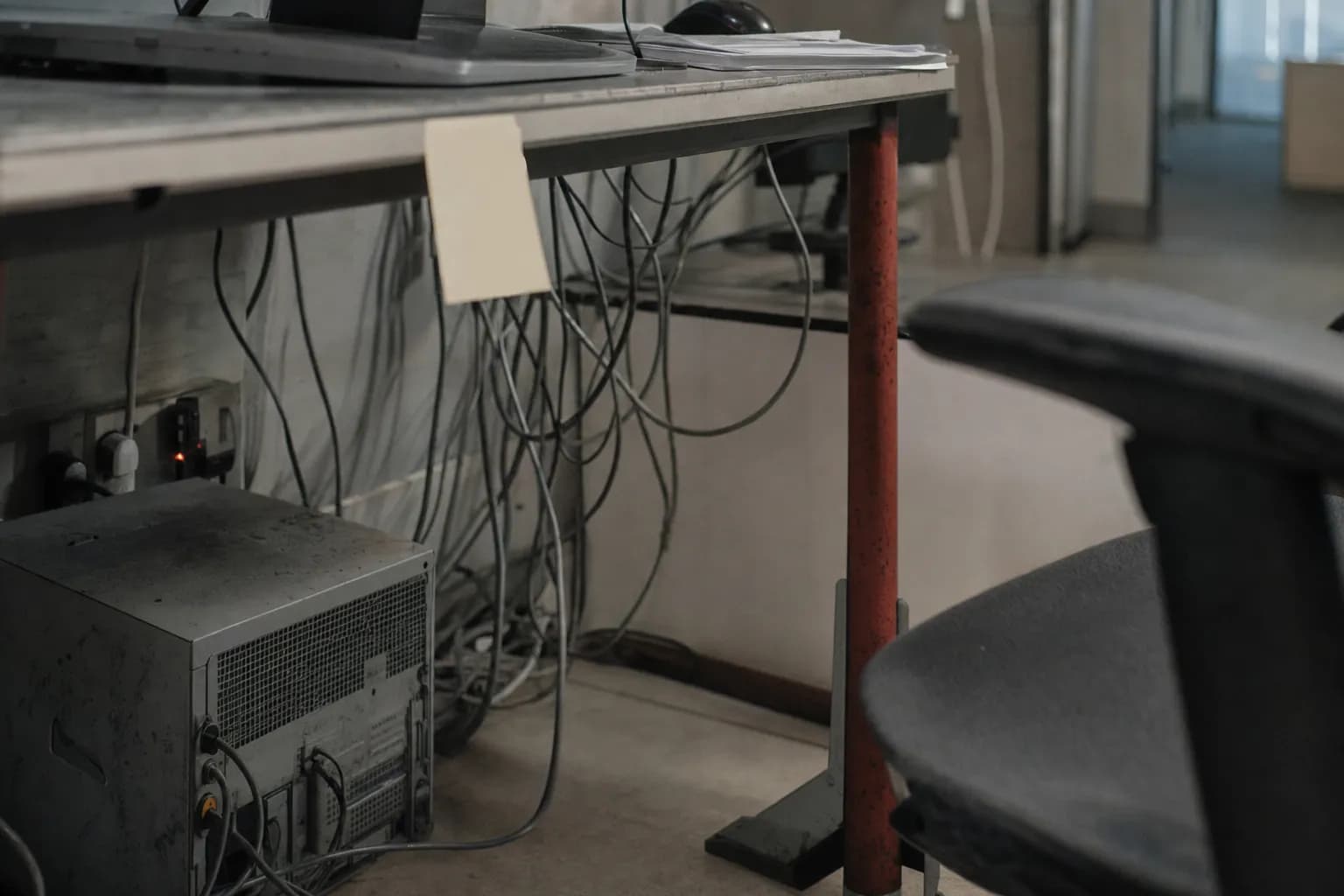
What it usually looks like
Every Monday the owner wants one page: jobs completed, revenue billed, open quotes, crew hours and anything that went wrong. The office manager builds it. She exports from accounting, copies from the field app, checks the dispatch spreadsheet and texts two supervisors for the problem jobs. She pastes it all into a template and fixes the formulas that broke. It takes most of her Monday morning. By the time the owner reads it, a few numbers are already stale, and his first question is one the page cannot answer.
Signs you have this problem
- Someone spends hours each week or month copying numbers into a report
- The report is out of date by the time the owner reads it
- Numbers in the report do not match what the systems show when checked
- Only one person knows how to build the report
- The owner asks follow-up questions the report cannot answer without more digging
What usually causes it
- Numbers are copied by hand from several systems into the reportThe re-entry trap
- Field information the owner cares about never reaches a system, so it is gathered by calls and textsThe field-to-office split
- Each department sends its piece on its own schedule, and the report waits on the slowestThe handoff gap
What to try this week
- Time the buildHave the person who builds the report track every step and how long it takes for the next cycle. Use your own numbers to judge what it costs.
- Ask the owner what gets usedGo through the report with the owner and mark which numbers drive decisions. Drop the rest.
- Map where each number comes fromFor each number that stays, write down which system or person it comes from and how it gets into the report.
- Fix the definitionsWrite one plain definition for each number, such as what counts as a completed job or as billed revenue. Different definitions cause most of the arguments.
- Document the buildWrite the steps down so a second person can build the report. It protects you when the usual builder is out.
Where do-it-yourself stops
These steps make the report smaller, clearer and less dependent on one person. They do not remove the copying from several systems, and they do not bring field information into a system by themselves. A lasting fix is a tool built around your own systems, so the information the owner needs arrives in the right shape without anyone retyping it. That is what a Workflow Spec designs.
Questions people ask
Why are our owner reports built by hand?
Because the numbers live in different systems and spreadsheets, and nothing brings them together. A person does the bringing together.
Will a reporting tool or dashboard fix it?
Only if the underlying numbers are captured and agree. A dashboard over disagreeing or missing data looks polished and is still wrong.
How many numbers should an owner report have?
As few as drive real decisions. Ask the owner which ones they act on and start there.
What is the risk of the current way?
Stale numbers, copying errors, and a report that stops when one person is out. Time your own build before deciding what it costs.
Where should we start?
With the number that takes the longest to gather and matters most to the owner. It usually leads straight to a gap between the field and the office.
Next step
Want this fixed for good?
This guide is how to find it and work around it. If it keeps coming back, the fix is usually a tool built around how your crew already works. Start with a free twenty-minute fit call.
Fox & Santiago, Genesee, Idaho. Home territory: the Inland Northwest, where we respond fastest. We fly anywhere in the United States for paid engagements.