
Service
From work done to invoice sent: billing that follows the work
When work is finished, everything billing needs should arrive as an invoice-ready packet: the hours, the materials, the extra work and the customer's sign-off for a job; the time entries for a client matter; the proof of delivery for an order. Not paper or notes someone retypes days later. We find where your finished work waits to be billed and build the step that carries it to the invoice.
The problem
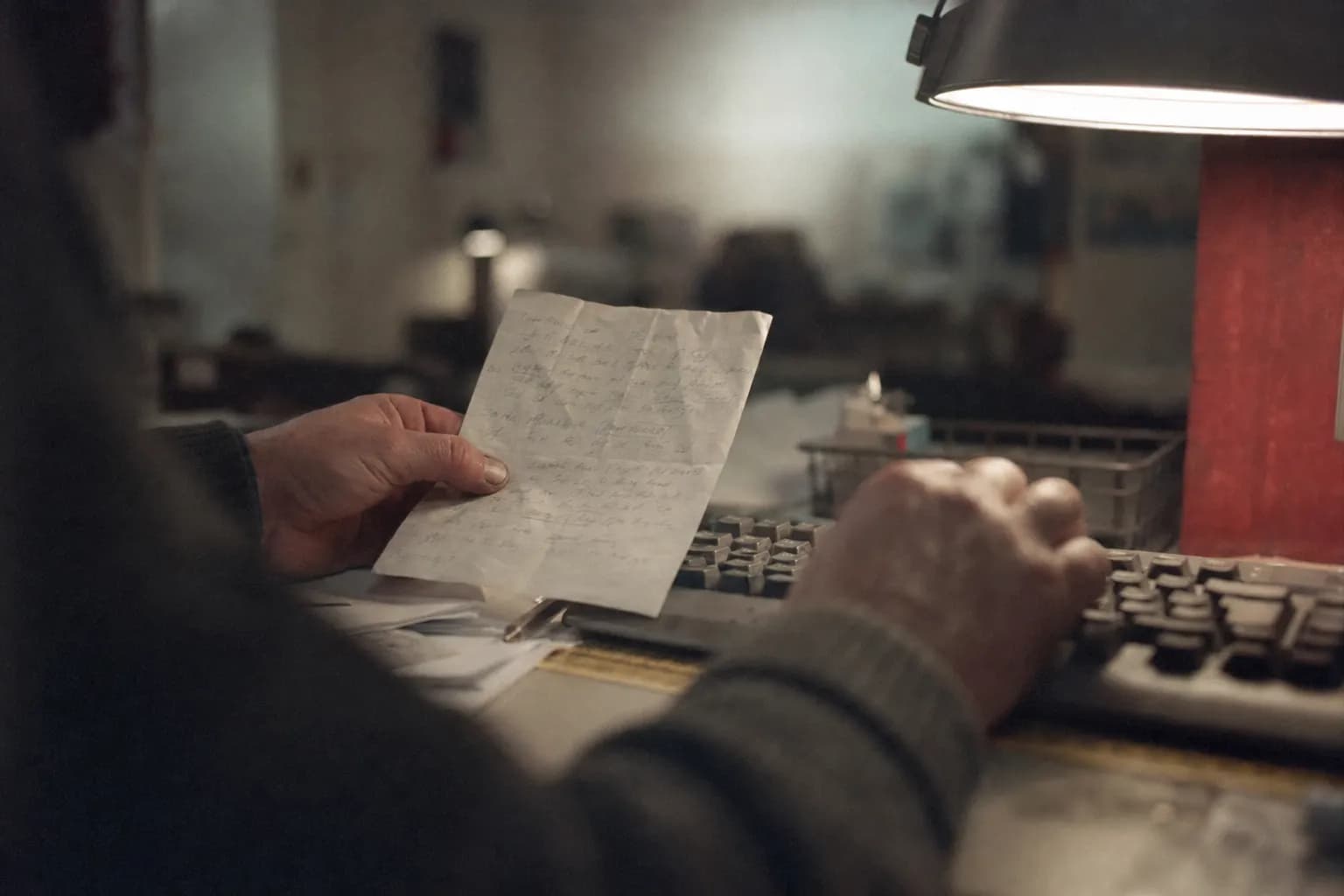
The work is done, but the invoice is not. Hours sit on a timesheet, materials on a slip, extra work in someone's memory, and the customer's signature on a page in a truck or a binder. A firm's time sits in notes until someone rebuilds it at month end. A delivery waits on a signed slip that is still in the driver's folder. Billing waits for all of it, then retypes it into accounting. That is the re-entry trap: every piece of information typed twice, with days lost and errors added each time.
Who it fits
Any business that bills for work it has finished:
- service and project companies that bill from completed jobs: contractors, field service, facilities, equipment service and industrial service companies
- professional firms that bill for time: law firms, accounting firms and other professional services
- distributors and logistics companies that bill on delivery
- property managers that bill owners and tenants for maintenance work
If your office closes a pile of tickets, timesheets or delivery slips at the end of the week or the month, this is for you.
What you get
Software scoped in the Workflow Spec that turns finished work into an invoice-ready packet: labor or time, materials, extra work with its approval, photos or documents, and the customer's sign-off, checked for what is missing before it reaches billing. The invoice lag calculator shows what the wait costs you today, in your own numbers.
How it works with your software
The packet lands in your accounting or billing system the way it already accepts invoices or imports. We fit the systems you run where the work is recorded and where it is billed, with up to two standard integrations in the Build, and the tool never becomes a second set of books.
What you own
After payment you own the tool, your data and your production accounts, with the copyright assignment in writing.
Scope and price
A Workflow Spec, then a Production Build, priced by deployment. The Build is tested before go-live with the people who do the work and the people who bill it, and 30 days of stabilization follow launch.
Questions people ask
Why do invoices go out days after the work?
Usually because the information billing needs is gathered where the work happens and then rebuilt at a desk: tickets, timesheets, time notes, delivery slips and parts lists that someone retypes. That is the re-entry trap, and every retype adds days and errors.
Does this fit a firm that bills for time?
Yes. For a law or accounting firm the finished work is time and expenses on a matter or an engagement. The same problem applies: time recorded late or rebuilt from memory, entries that wait for review, and invoices that go out after the month is over.
Does faster invoicing mean more profit?
No. Billing sooner improves when the cash arrives. The extra money comes from work that used to go unbilled, such as materials, time and extra work that never reached the invoice.
Do you replace our accounting or billing system?
No. The tool hands billing what it needs in the form your accounting or billing system already imports. It never becomes a second system of record.
Next step
Talk to us
Start with a free twenty-minute fit call. If the workflow, the sponsor and the path to access are real, the next step is a Workflow Spec.
Fox & Santiago, Genesee, Idaho. We work nationwide, for clients across the United States, from our headquarters in Genesee, Idaho.