Problem guide
Invoices go out days after the work is done
Invoices go out late when the facts billing needs arrive in pieces, from different people, at different times, and someone has to assemble and retype them before an invoice can be built. Get the finished job's hours, parts and notes to billing in one piece on the day the work ends, and make jobs waiting to be invoiced visible to everyone.
What it usually looks like
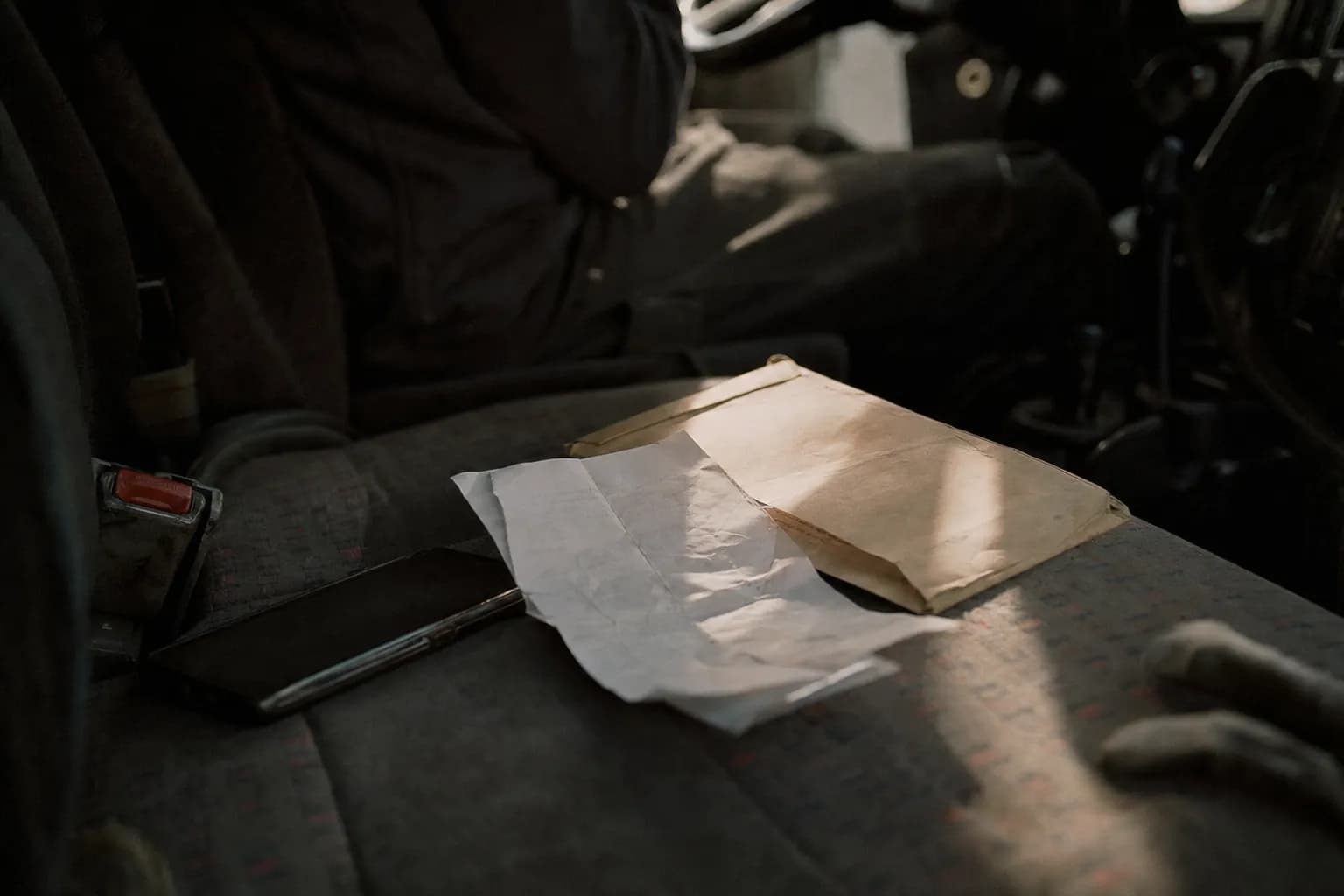
A crew wraps up a two-day repair on a Tuesday. The lead turns in a ticket on Thursday. Hours come in with the weekly timesheets on Friday. The parts list is on a pick slip in the warehouse, and the invoice clerk has to walk over to get it. By the following Wednesday the clerk has everything, notices one line she cannot read, and calls the lead. The invoice goes out nine days after the crew left. The customer asks why they are paying for something they barely remember.
Signs you have this problem
- Billing waits on a ticket, a timesheet and a parts list that arrive on different days
- Invoices are built in one weekly batch instead of as jobs finish
- The office calls the field to ask what was done before it can bill
- Customers ask about work that was finished before their invoice arrived
- Nobody can say how many finished jobs are waiting to be invoiced right now
What usually causes it
- Billing has to retype hours, parts and notes from several sources into the billing systemThe re-entry trap
- Finished jobs sit in a stack or an inbox with no visible queue or ageThe invisible queue
- The job is marked done in the field but nobody tells billing it is readyThe handoff gap
- Invoices over a certain size wait for a manager to review themApproval drag
What to try this week
- Time the path for two weeksFor each finished job, note when the work ended, when billing had everything it needed, and when the invoice went out. You will see which of the two gaps is bigger.
- List what billing waits onAsk the person who builds invoices to name every piece they wait for and who sends it. Write it on one page. Pieces that nobody owns are usually where the days go.
- Keep an oldest-first list of uninvoiced jobsOne shared list of finished jobs not yet invoiced, sorted by age, reviewed every morning. Age is the number that matters, not the count.
- Bill daily, even in small batchesSet a temporary habit of invoicing whatever is complete at the end of each day instead of saving it for the weekly run.
- Check whether reviews are neededIf invoices wait for a manager, look at the last month of reviews and count how many were changed. Keep the review only where it catches real errors.
Put a number on it
- Invoice lag calculator: Calculate how much cash is tied up by the days between finishing a job and sending the invoice, and what carrying it costs each year.
Where do-it-yourself stops
These steps make the delay visible and cut some waiting. They do not remove the assembly and retyping between what the field records and what your billing system needs. A lasting fix is a tool built around your own field records and billing system, so the finished job arrives in billing already in the shape of an invoice. That is what a Workflow Spec designs.
Questions people ask
Why do invoices go out days after the work?
Because the facts needed to bill arrive separately and late, and someone has to collect and retype them before the invoice can be built.
Is late invoicing a billing team problem?
Rarely. Billing usually works quickly once it has complete information. The delay sits upstream, in how and when the field's information reaches them.
Should we invoice from the field?
It can work for simple, fixed-price jobs. For work with variable hours and parts, the office usually still needs to check the details, so the goal is getting complete details to the office fast.
How quickly should invoices go out?
A sensible target is within a day or two of the work ending. Measure your current gap first so you know whether a change actually helped.
What does late invoicing cost us?
Cash arrives later, customers remember less of the work and dispute more, and details get lost. Measure your own gap before putting a number on it.