Problem guide
Parts used on jobs never reach the invoice
Parts go unbilled when the technician pulls them from truck or shop stock and nothing ties that part to the job at the moment it is used. Record parts against the job when they are used, not at the end of the week, and check each invoice against what left the truck or the shelf.
What it usually looks like
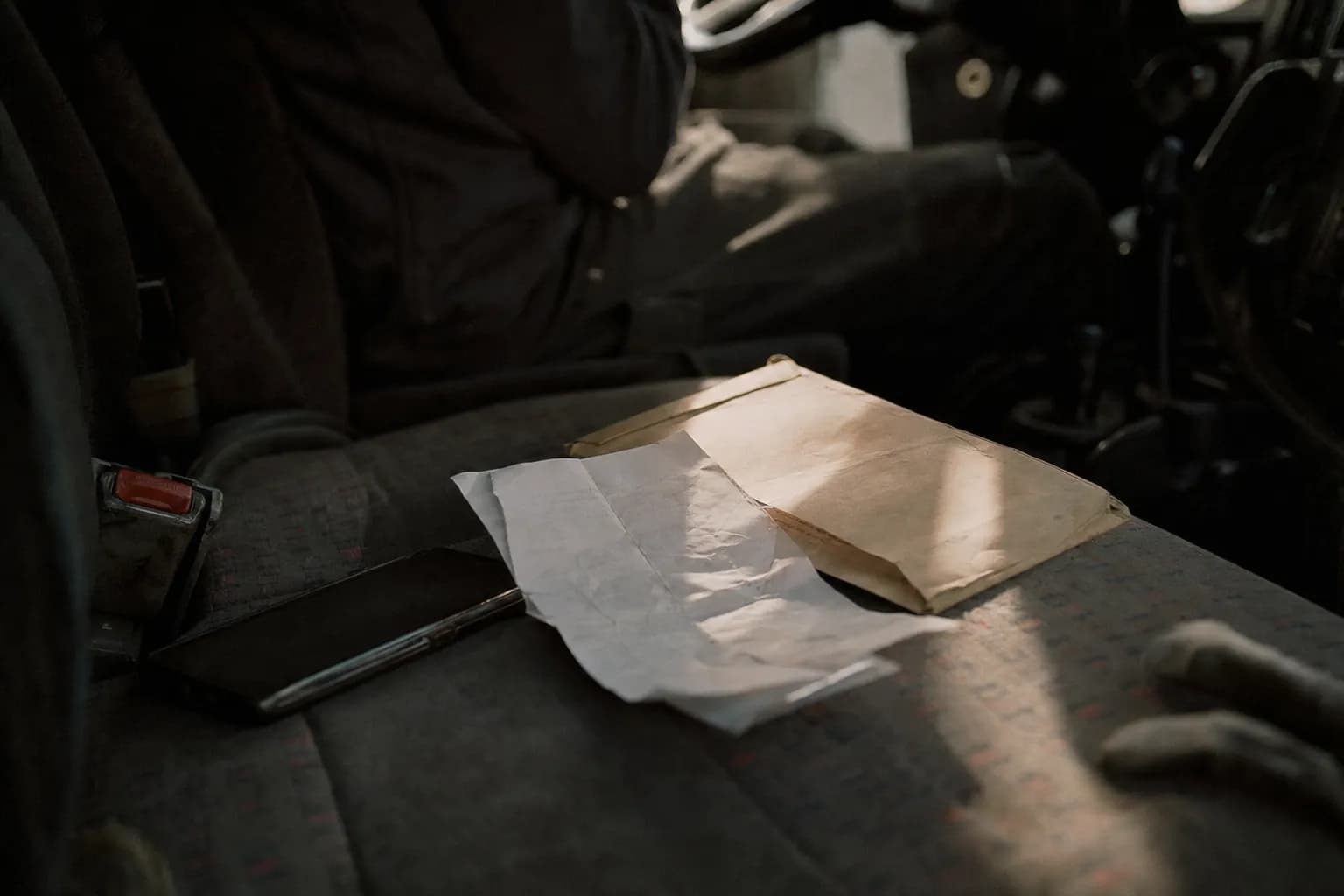
A technician on a service call needs two fittings and a length of hose. He takes the fittings from his truck and buys the hose at a supply house on his account. His ticket says repaired leak, two hours. The supply house receipt goes into the door pocket. A week later the receipt reaches the office in a batch, with no job number on it, and gets coded to general supplies. The fittings are never mentioned again. The customer is billed for two hours of labor and nothing else.
Signs you have this problem
- Truck or shop stock runs short with no matching jobs
- Tickets list labor but say little or nothing about parts
- Billing adds parts from memory or a technician's text message
- Inventory counts and billed parts never agree at month end
- Parts bought on a supplier account for one job show up weeks later with no job attached
What usually causes it
- Nothing ties a part to a job at the moment it comes off the truck or the shelfThe field-to-office split
- Part numbers are copied by hand from tickets and receipts into the billing systemThe re-entry trap
- Supplier receipts from field purchases reach the office separately from the ticketThe handoff gap
What to try this week
- Count one truck for two weeksPick one truck. Count its stock at the start and end of two weeks and compare what left it with what was billed. The difference is your leak for that truck.
- Trace a sample of jobsTake ten recent jobs and look for every part used: ticket, supplier receipts, stock records. Note where parts went missing on the way to the invoice.
- Put common parts on the ticketPrint or list the twenty parts crews use most on the ticket so they can mark quantities instead of writing part numbers. Fewer blank lines, fewer missed parts.
- Attach receipts to the job the same daySet a habit: any part bought in the field gets a photo of the receipt sent with the job number on the same day. The office files it with the ticket, not in a separate pile.
Where do-it-yourself stops
These steps show you how big the leak is and catch more parts. They do not tie stock to jobs automatically, and someone still copies part lines into billing. A lasting fix is a tool built around your own parts list, stock records and billing system, so a part recorded in the field arrives on the invoice without retyping. That is what a Workflow Spec designs.
Questions people ask
Why do parts used on jobs never reach the invoice?
Because nothing connects the part to the job when it is used. By the time the invoice is built, the technician has to remember, and memory loses small parts first.
Should we stop keeping stock on trucks?
Usually not. Truck stock saves trips. The fix is recording what leaves the truck against a job, not removing the stock.
Can we just add a standard parts charge?
Some companies do for small consumables. It hides real costs on larger parts, so track anything that matters to margin individually.
How do we measure the loss?
Count one truck over two weeks and trace a sample of jobs from part to invoice. Measure your own leak before estimating a cost.
Who should own this, the warehouse or billing?
Name one owner for getting parts from the job to the invoice. When it is shared between the warehouse, the crew and billing, nobody owns it.
Next step
How we fix this
This guide is how to find it and work around it. If it keeps coming back, the fix is usually a tool built around how your crew already works.
Fox & Santiago, Genesee, Idaho. Home territory: the Inland Northwest, where we respond fastest. We fly anywhere in the United States for paid engagements.