Problem guide
Closeout paperwork drags on for months
Closeout paperwork drags on because it is started after the crew leaves, the pieces come from many people who have moved on to other jobs, and nobody tracks what is still missing. Start a closeout list at the beginning of the job, collect each piece as it becomes available, and review what is left every week until it is done.
What it usually looks like
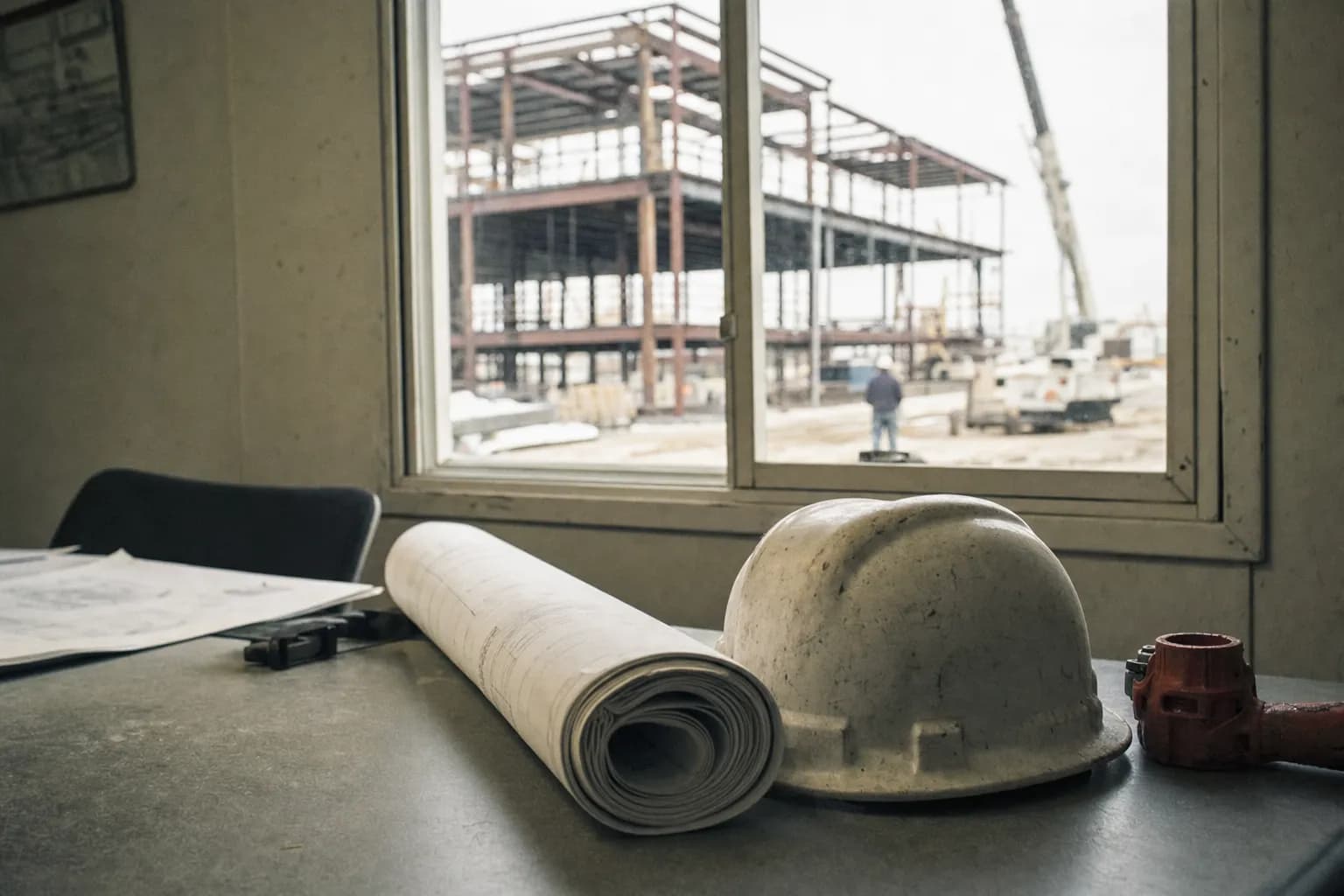
A general contractor finishes a warehouse fit-out in the spring. The crew moves to the next job, and so does the project manager. In summer, the owner's closeout requirements come up when the final payment is requested. Operation manuals are with three different subcontractors. The roofing warranty needs a form from the manufacturer. The as-built drawings are marked up in pencil in a set that went back to the shop. The project coordinator starts chasing each piece by email, one at a time, between other work. The job is still open on the books in the fall.
Signs you have this problem
- Jobs finished months ago still show as open because closeout is not complete
- Final billing waits on documents nobody has started collecting
- Warranty letters, manuals and as-built markups are chased from subcontractors and suppliers after the fact
- The project manager who ran the job is busy on the next one and closeout keeps slipping
- The owner sends back the closeout package more than once for missing items
What usually causes it
- Closeout starts only after the crew leaves, when the people who hold each piece have moved onThe handoff gap
- Nobody can see which closeout items are outstanding on which jobs, so old jobs stay open quietlyThe invisible queue
- As-built markups and field records stay with the crew and never make it into the packageThe field-to-office split
- Each owner wants a different set of documents, so every closeout package is built from scratchThe exception swamp
What to try this week
- List every job waiting on closeoutPull every job with the work done but not fully closed. Next to each, note when the work finished and what is still missing. The list is often longer than anyone expected.
- Build the closeout list at the start of the jobWhen a job starts, list the closeout documents it will need, based on the contract and the owner's requirements. Follow the contract and ask counsel on anything about releases or waivers.
- Collect pieces as they become availableAsk for manuals, warranties and product data when the material is submitted or delivered, not at the end. Keep as-built markups current on site as work is done.
- Name an owner for each open itemPut a person and a date next to every missing piece, whether it is your crew, a subcontractor or a supplier. Review the open items weekly until each job is closed.
- Log why packages come backWhen an owner returns a closeout package, write down what was missing. Add those items to the start-of-job list for the next similar job.
Where do-it-yourself stops
These steps shorten closeout and stop jobs from sitting open without anyone noticing. They do not gather documents from subcontractors, suppliers and the field into one package on their own, or tie a completed closeout to final billing, so the chasing still depends on someone with time to do it. A lasting fix is a tool built around your own jobs, contracts and document flow, so closeout items are collected and tracked from the first day. That is what a Workflow Spec designs.
Questions people ask
Why does closeout take so long?
Because it usually starts after the work is done, when the people holding each piece have moved on, and nobody tracks what is still missing.
What goes into a closeout package?
It depends on the contract and the owner. Follow the contract's requirements and ask counsel on anything about releases, waivers or retainage.
Who should own closeout?
One named person per job. Some companies give it to a project coordinator so it does not compete with the project manager's next job.
When should closeout start?
At the start of the job, with a list of what will be needed. Collecting pieces as they become available is far easier than chasing them months later.
What does slow closeout cost us?
Final payment that arrives later and staff time spent chasing old paperwork. Count your own jobs waiting on closeout before putting a number on it.
Next step
Want this fixed for good?
This guide is how to find it and work around it. If it keeps coming back, the fix is usually a tool built around how your crew already works. Start with a free twenty-minute fit call.
Fox & Santiago, Genesee, Idaho. Home territory: the Inland Northwest, where we respond fastest. We fly anywhere in the United States for paid engagements.