
Problem guide
Customer sign-off is missing on finished work and deliveries
Sign-off goes missing because the moment to get it is the last two minutes of the visit or the delivery, the customer is often not there, and nothing downstream checks for it. Systems can require a signature, but the requirement is a setting someone can switch off. ServiceTitan requires invoice signatures by default, yet when settings conflict it defaults to not requiring one, and the office cannot send an e-signature request afterward. Decide which work needs acceptance, and make the closeout wait for it.
How it actually happens
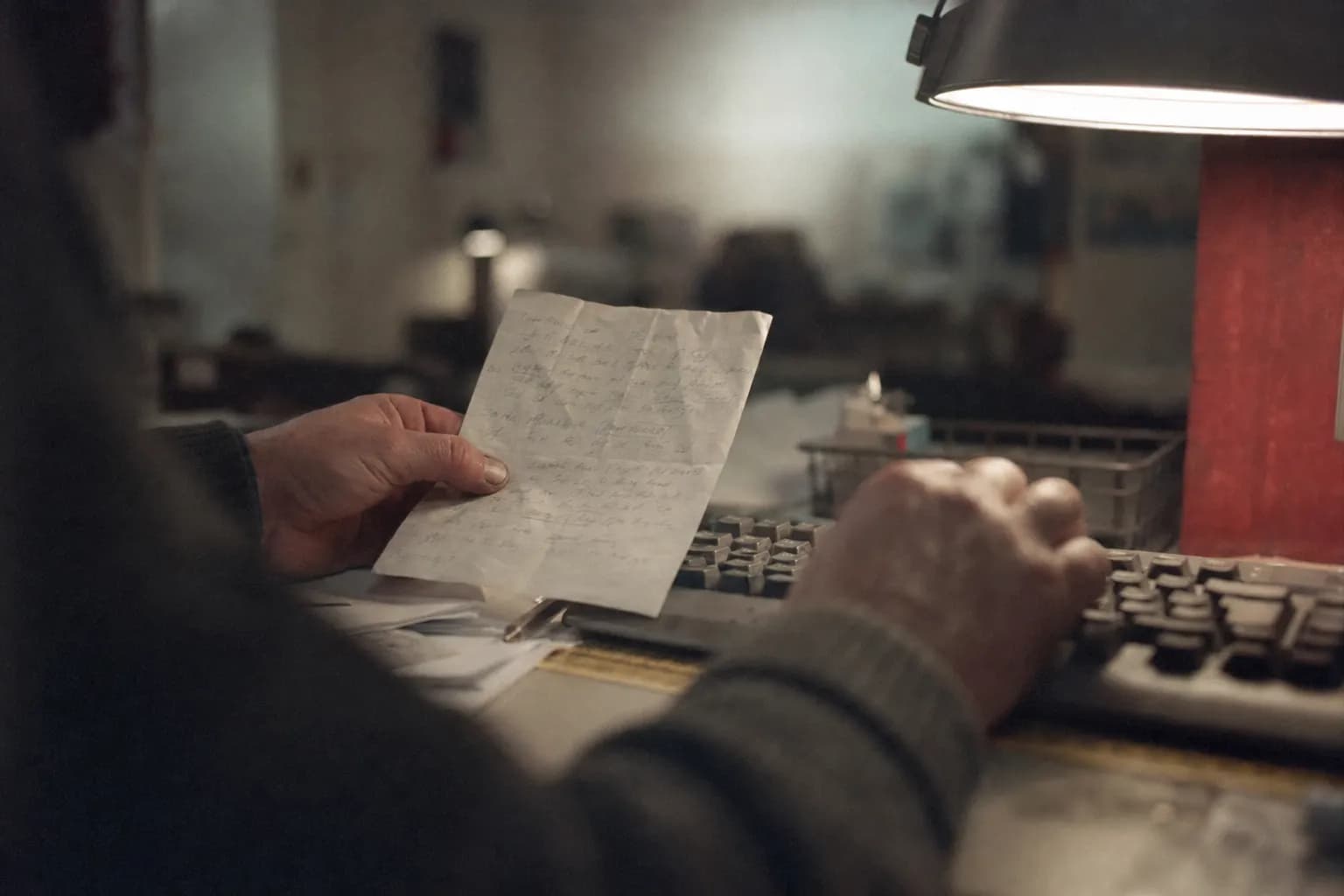
The signature is supposed to happen at the very end, which is the worst moment in the visit. The work is done, the tech is packing up, the next job is already late, and the customer has wandered off or was never home. The tech has to find the right person, explain what was done, hand over a phone or tablet, and wait. On a good day that takes two minutes. On a bad day nobody is there to ask. A delivery driver at a loading dock, or a rental driver dropping a machine at an empty site, has the same two minutes and the same empty doorway.
So the work closes anyway. In some businesses the system allows it because the signature was never required. In others it was required for that work type but switched off for that customer two years ago for a reason nobody remembers, and ServiceTitan's rule is that when settings conflict, no signature is required. Either way the job goes to the office looking finished, and the accounting export does not care: it moves the invoice once the job is complete, signed or not.
The gap shows up weeks later, when the customer pushes back. The bill is higher than they expected, a second problem was found and fixed, a case was short, or they say the work is not done. Now the office wants the signature it never got. In ServiceTitan the office cannot send an e-signature request on its own; the help center's answer is to add another appointment to the same job and have a tech send the link from site. In practice that means a truck goes back for a signature, or nobody goes and the dispute is argued from memory.
A general contractor in Minnesota posted on r/Contractor about a homeowner who dodged signing the final invoice in person, then claimed items were not complete. He had photos, and she backed off the claim once he said so. His question was whether he could still file a lien without the final signature. The photos did the work the signature was supposed to do.
Commercial construction moves the same gap onto paper. A certificate of substantial completion is prepared for the owner and contractor to sign. Until they do, retainage on that work waits. The subcontractor whose crew finished months ago is depending on two other offices to sign a form, and nobody on its own side owns the chase.
What a signature is worth
A signature on its own proves little if nobody can say what was signed. The value is in the pairing: a named person with authority, a date, the scope, order or invoice they saw, and photos of the finished work or the delivered goods, all attached to the same record. That record ends most disputes before they start, and it is cheapest to make while your people are still on site.
Signs you have this problem
- A customer disputes an invoice and there is no signature showing they accepted the work or the delivery
- Work is closed with the signature line blank because the customer was not there
- The office learns a signature is missing only when payment stalls
- On commercial construction, the certificate of substantial completion sits unsigned and retainage waits with it
- Someone added a line to a signed estimate or order, and the signature quietly disappeared
What usually causes it
- Getting the signature is left to the last minutes of the visit or the drop-off, and the closeout lets the work finish without itThe handoff gap
- Work without a signature is not on any list, so nobody follows up until the customer refuses to payThe invisible queue
- Each customer, site and work type has its own exception, and the settings that govern signatures conflict in ways nobody tracksThe exception swamp
Find your cause
Ask these in order. The first yes is usually where yours starts.
- Is the signature requirement in your system set to required for the work that needs it?If yes: check for exceptions at the customer and site level. If no, turn it on for that work today.
- Does your team regularly finish work or deliver where nobody authorized to accept is present?If yes: name the signer before dispatch, and agree an email or remote acceptance with business customers.
- Can you list, right now, finished work from last week with no acceptance?If yes: you have the backstop. Check how fast the list clears. If no, build the daily unsigned list first.
- On commercial construction, is retainage waiting on a certificate nobody has chased?If yes: the acceptance is a document in someone else's office. Put each open certificate on a weekly follow-up.
How it breaks in each industry
- Residential HVAC, plumbing and electrical service
- The homeowner signs an estimate before work starts and is often not asked again. When the tech adds a part or finds a second problem, the price changes, and the acceptance on file no longer matches the invoice the customer receives.
- Commercial construction and roofing
- Acceptance is a document, not a signature on a tablet. On an AIA job, retainage waits for the owner and contractor to accept the certificate of substantial completion in writing. A subcontractor depends on the general contractor to move that paper, and AIA publishes no subcontractor version of the form.
- Commercial service and facilities work
- The person who called in the work is not on site, and the person on site has no authority to accept it. The tech closes the job with a name typed in, or with nothing, and the customer's accounts payable team later asks for proof the work was done.
- Distribution and wholesale
- The driver drops pallets at a dock or a back door and the receiving clerk signs, or nobody does. When the customer later says a case was short or damaged, the signed delivery receipt is the proof, and an unsigned or illegible one turns the claim into a credit.
- Equipment rental
- The machine goes out and comes back, and its condition at each end is the whole argument about damage charges. If nobody on the customer's side signs the condition report at delivery and return, the rental company has its own photos and no acceptance.
Where it breaks between systems
- ServiceTitan invoice signatures
- Technicians must collect invoice signatures to close a job by default, and the requirement can be removed per job, job type, customer or service location. When the customer, location and job type settings conflict, ServiceTitan defaults to not requiring a signature. The page also says the feature does not apply to California businesses.[1]
- ServiceTitan after the job is finished
- The office cannot send an e-signature request. ServiceTitan's documented fix is to add a new appointment on the same job and have the tech send the e-sign link from site. A job already completed cannot be reopened through the normal flow, so an admin reopens it or the signature is uploaded as an attachment.[2]
- ServiceTitan estimates
- When a technician adds another task to a signed estimate, the signature disappears. ServiceTitan calls this built-in behavior that cannot be changed, and the customer has to sign again.[4]
- ServiceTitan and QuickBooks
- The export to accounting does not check for a signature. An invoice cannot be batched while its job is still In Progress, which is the only closeout condition on the export path, and the published QuickBooks Desktop field map has no signature field.[5]
- Jobber invoices
- Collect Signature is an optional action on the invoice that saves a signed PDF to internal notes and attachments. An invoice can be closed with a payment, as bad debt, or without a payment, and none of those requires a signature first.[7]
- Housecall Pro jobs and invoices
- A job offers a built-in signature for after work is complete, plus up to three custom signatures. A custom signature turns red when the job price has changed and can be collected again. Sending the invoice has no signature step.[8]
- ServiceM8 and Xero
- Client Signoff stores the signature in the job's Diary as part of the permanent record. Completed jobs go to an Awaiting Approval page and on to Xero when approved, and nothing in that path checks whether a sign-off was captured.[9]
- Procore T&M tickets and punch list
- A customer signee must be logged in to Procore to sign a T&M ticket, and tickets awaiting signature do not show in My Open Items, so a request can sit unseen. Closing a punch item is an internal action by the Final Approver, an Admin or the Punch Item Manager, not a customer acceptance.[10]
By the numbers
| Figure | What it measures |
|---|---|
| 30%[12] | Among UK tradespeople whose payment was disputed or withheld, the share who said the customer claimed the work was unfinished (metals4U survey reported by Electrical Times, December 2025, UK supplier survey, no sample size). No US source measures how often finished jobs lack sign-off. |
| 66%[12] | UK tradespeople in the same survey who had a payment disputed or withheld in the previous 12 months; 75% of electricians and 79% of plumbers. |
| 60%[13] | Specialty contractors in a Clearstory survey of more than 100 US trade partners who write down or write off change order revenue at least occasionally, most often for missing backup, communication gaps or pricing disputes (vendor survey, October 2025). |
| 96%[14] | Commercial service contractors in ServiceTitan's 2026 survey of 1,020 owners and managers who wait 15 days or more to be paid, though 82% invoice within three days (vendor survey). ServiceTitan places the lag with the customer, which is where a missing acceptance shows up. |
Rules that apply
- AIA A201-2017, Section 9.8.5 and 9.8.4[15]
- On an unmodified A201, the owner pays the retainage on the substantially complete work only once the owner and contractor have accepted the certificate's assigned responsibilities in writing, with surety consent where there is a surety. Warranties run from the certified date of Substantial Completion unless the certificate says otherwise, so a late signature holds money but does not move the warranty start.
- AIA G704-2017, Certificate of Substantial Completion[16]
- The architect prepares the G704 for acceptance by the contractor and the owner, and it fixes the date warranties start. AIA's own FAQ says it publishes no certificate of final completion and no subcontractor version of G704.
- FAR 52.232-27(a)(1)(ii)(A), federal final payment[18]
- Final payment on a federal construction contract rests on completion and acceptance of all the work, and is due on the later of the 30th day after a proper invoice or the 30th day after Government acceptance. Until the government accepts, the payment clock has not started.
- Texas Property Code 28.003[19]
- In a good faith dispute, including whether the work was performed properly, the owner may withhold no more than 110 percent of the disputed difference on a one-to-four family residence, or 100 percent on other property. A claim that the job is unfinished does not let the owner hold the whole bill.
- Illinois 815 ILCS 603/10, Contractor Prompt Payment Act[20]
- On private commercial work, a payment application is deemed approved 25 days after the owner receives it unless the owner gives a written statement of what is withheld and why, and work not in accordance with the contract justifies withholding only its reasonable value. The Act excludes public contracts and residences with 12 or fewer units per building.
Measure it in your own shop
From: Completed work orders or deliveries with their signature status, the work type, and the invoice and payment dates. In ServiceTitan, the job History shows signature events, which separates signatures captured but not synced from ones never collected.
- Export three months of completed work or deliveries that should have had acceptance, by your own rule.
- Mark each as signed, unsigned, or signed by someone without authority.
- For each group, compare the days from completion to payment, and count disputes, write-downs, credits and held payments.
- On commercial construction, list retainage amounts still waiting on a signed certificate and how long each has waited.
Reading it: The unsigned share is your rate, and the payment gap between signed and unsigned work is what it costs. If unsigned work pays just as fast, focus the rule on fewer, larger jobs.
What does not fix it
- Making the signature required on everything
- People facing a customer who is not there will find a way to close the work, typing a name or tapping through, and a signature nobody trusts protects nobody. Require it where it matters and plan for the absent customer.
- A signature on the estimate or order only
- It shows the customer agreed to a price before the work. It says nothing about whether they accepted the result, and in ServiceTitan the estimate signature disappears when a task is added.
- Waiting for the customer to complain
- By the time a customer disputes the invoice, your team has done fifty more jobs and the conditions have changed. Acceptance is cheap on the day and expensive a month later.
What to try this week
- Decide which work needs acceptanceNot every job or delivery needs a customer signature. Write down which ones do: time and materials work, anything over a dollar line, anything with an add-on sold on site, anything with a warranty start date, high-value or damage-prone deliveries, and commercial work with retainage.
- Check the setting, not the habitOpen the system you run the work in and confirm the signature requirement is actually on for that work. Look at work type, customer and site settings, because a single exception at one level can switch it off for the others.
- Plan for the customer who is not thereAgree in advance who signs for business customers and how: a named site contact, an email acceptance, or a signature on a ticket or delivery receipt by an authorized person. Put the name on the work order before anyone leaves.
- Keep a daily unsigned listEach morning, list yesterday's completed work and deliveries that needed acceptance and do not have it. Someone owns the list and clears it that week, while the customer still remembers.
- Photograph the finished workA signature says the customer accepted. Dated photos say what they accepted, and what condition it was in. Take both, and attach them to the same record so they travel together.
Where do-it-yourself stops
These steps make sign-off a habit with a backstop, but the unsigned list is still built by hand and the signature still lives in an app that the accounting system never reads. The lasting fix is a tool built around the system that runs your work and your accounting system that knows which work needs acceptance, holds it out of the finished pile until it arrives, and gives the office a way to collect it after your people have left. That is what a Workflow Spec designs.
Questions people ask
Do we legally need a customer signature to get paid?
Usually not by itself. No federal safety, refrigerant or recordkeeping rule makes a completion signature mandatory. Contracts can require acceptance, and on AIA and federal work, payment of retainage or final payment is tied to acceptance.
Can the office collect a missing signature in ServiceTitan?
Not by sending an e-signature request from the office. ServiceTitan's help says to add a new appointment on the same job and have the tech send the link from site, or have an admin reopen the job or upload a signature as an attachment.
Can a homeowner refuse to pay because they say it isn't finished?
It depends on the state and the contract. Texas Property Code 28.003 caps what can be withheld in a good faith dispute at the disputed difference, not the whole bill. A Minnesota GC on Reddit described a homeowner who dodged signing the final invoice and backed off a not-complete claim once he said he had photos too.
When should we get the invoice signed and not just the estimate?
One vendor's guidance, from Cinderblock, is to get the invoice signed when there was no prior written estimate, when the final number differs significantly from the estimate, or when payment is deferred. That is a reasonable rule to start from.
Does the warranty start when the owner signs the G704?
Under the unmodified A201-2017, warranties start on the date of Substantial Completion certified in the certificate, unless the certificate sets a different date. The owner's written acceptance is what releases retainage.
Next step
How we fix this
This guide is how to find it and work around it. If it keeps coming back, it is rarely the only thing costing you. We come on site, find the issues costing you the most, and fix them, starting with the most pressing.
Fox & Santiago, Genesee, Idaho. We work nationwide, for clients across the United States, from our headquarters in Genesee, Idaho.