Problem guide
Quotes take too long to go out
Quotes take too long to go out when the information needed to price the job arrives in pieces, gets retyped into the estimating system, and then waits in a queue nobody can see. Get the request, the site details and the pricing inputs into one place at the start, and make every open quote and its age visible to the people who own it.
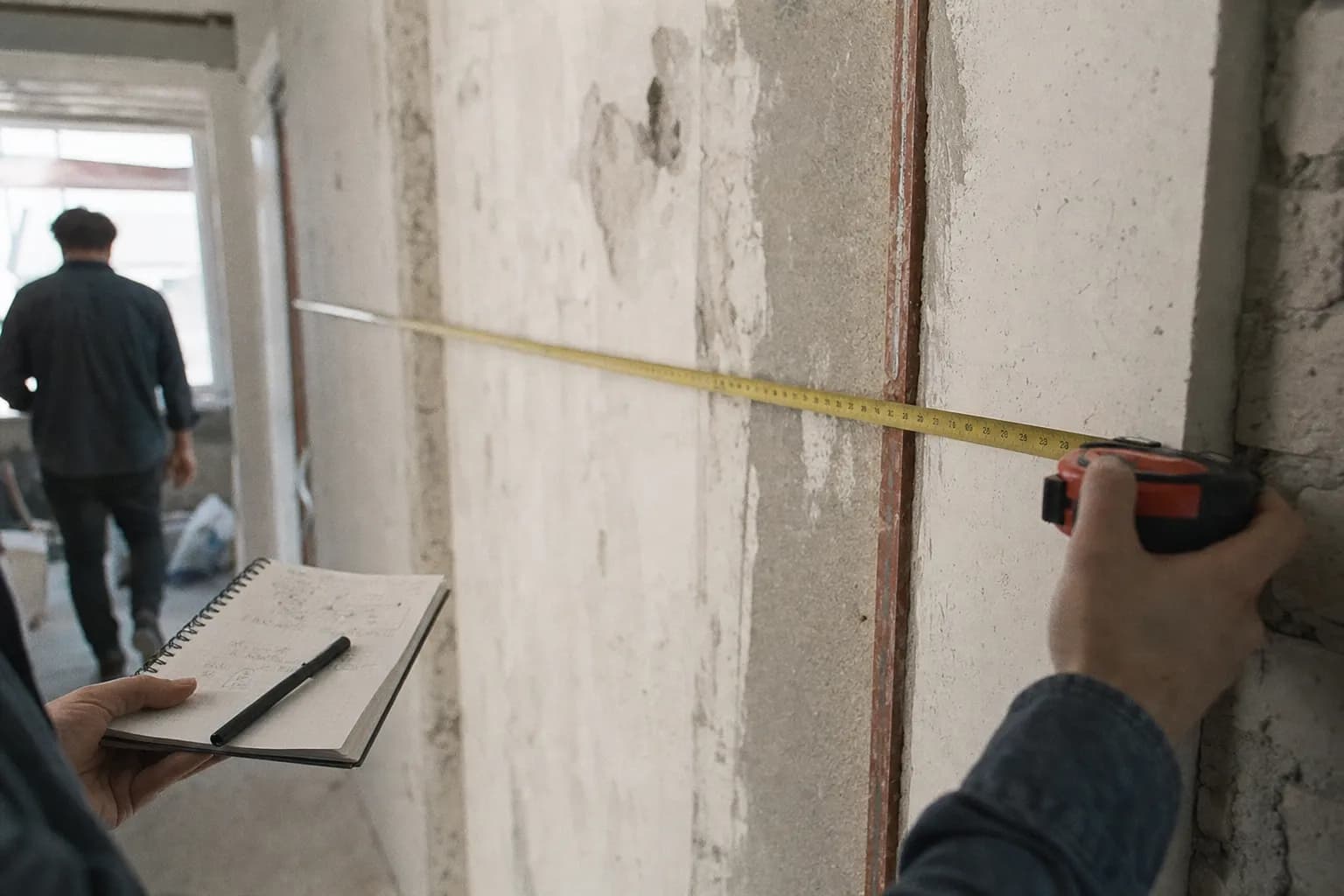
What it usually looks like
A facilities manager emails on Monday asking for a price on replacing a row of rooftop units. The request gets forwarded to an estimator, who opens it Wednesday and realizes nobody recorded the unit sizes or the roof access. A technician is asked to swing by. His notes come back as photos in a text thread on Friday. The estimator retypes what he can read into the estimating system, then leaves the quote for the sales manager to review. The sales manager is in the field until Tuesday. The quote goes out eight days after the request, and the customer has already signed with someone else.
Signs you have this problem
- Customers call to ask whether their quote is coming
- Estimators start a quote, stop to chase missing details, and start again days later
- The same job gets measured, described or priced twice by different people
- Quotes wait for a manager to review them before they can be sent
- Nobody can say, without asking around, how many quotes are open right now
What usually causes it
- The request, the site notes and the pricing inputs arrive separately and get retyped into the estimating systemThe re-entry trap
- Quotes in progress sit in inboxes and personal folders where nobody else can see how old they areThe invisible queue
- Every quote, large or small, waits for the same person to review and release itApproval drag
What to try this week
- Time ten quotes from request to sentFor the next ten quotes, write down when the request arrived, when pricing started, when it was reviewed and when it went to the customer. The longest gap shows you where the time actually goes.
- List what a quote needs before pricing startsWrite down the handful of details an estimator always needs to price your common jobs. Ask for them at intake, so estimators stop pausing mid-quote to chase them.
- Put every open quote on one listKeep one shared list of open quotes with the date received and the person who owns each one. Sort it oldest first and look at it daily.
- Set a review thresholdDecide which quotes truly need a second set of eyes, by size or risk, and let the rest go out without waiting. Write the rule down so it does not depend on who is asking.
Where do-it-yourself stops
These steps show you where quotes stall and remove some of the waiting. They do not remove the retyping between your intake, your site notes and your estimating system, and a shared list only works while someone keeps it current. A lasting fix is a tool built around your own intake and estimating system, so a request arrives ready to price and its age is always visible. That is what a Workflow Spec designs.
Questions people ask
Why do our quotes take so long to go out?
Usually because the estimator does not have everything needed to price the job when they start, and because nobody can see how long each quote has been waiting.
Is it just that our estimators are overloaded?
Sometimes, but workload is often a symptom. Much of an estimator's day can go to chasing details and retyping them. Time a few quotes before deciding you need another estimator.
How fast should a quote go out?
That depends on your work and your customers. Measure your current turnaround first, then set a target for your common job types that your customers would notice.
Does a new estimating system fix slow quotes?
It can speed up the pricing itself. It rarely fixes missing information at intake or the wait for review, which is where much of the delay tends to sit.
What does a slow quote cost?
Customers who need an answer go with whoever answers first, and the work you do win starts with a frustrated customer. Track the quotes you lose and ask why before putting a number on it.