Problem guide
Site visit notes never reach the estimator
Site visit notes never reach the estimator when they live in a notebook, a phone gallery or a text thread instead of the place the estimator works, and nobody is responsible for handing them over. Agree on the few things every site visit must capture, and send them to one place the estimator already checks, the same day.
What it usually looks like
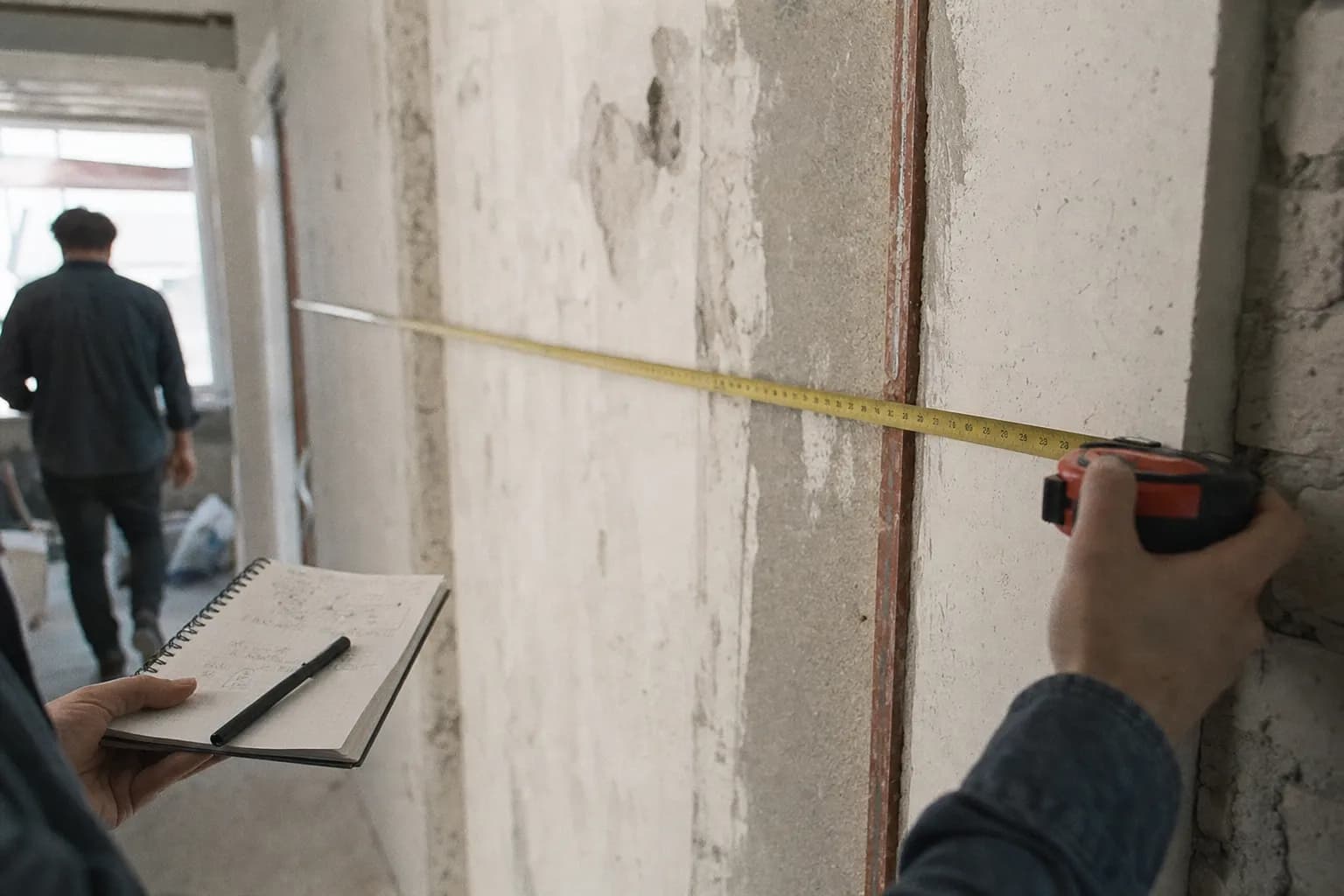
A project manager walks a warehouse where the customer wants new dock equipment. He measures the openings, notices the slab is cracked at two doors, and hears the customer say the work has to happen on weekends. He writes it in a pocket notebook and takes a dozen photos. Back at the office, the estimator gets a one-line email saying the customer needs four dock levelers. The quote goes out without slab repair or weekend labor. When the customer asks why the change order is so large, the notebook is in a truck and the photos are on a phone.
Signs you have this problem
- Estimators call the person who walked the site to ask what they saw
- Measurements and photos sit in someone's phone or truck notebook
- Quotes miss access problems, site conditions or customer requests that were noticed on the visit
- The customer gets asked the same questions a second time
- Sites get visited twice because the first visit's notes cannot be found
What usually causes it
- Notes and photos are captured in the field in formats the office cannot use without retypingThe field-to-office split
- The person who walked the site and the person who prices it are different, and nothing requires the notes to pass between themThe handoff gap
- Notes arrive as scattered texts and photos that someone has to read, sort and type into the estimateThe re-entry trap
What to try this week
- Trace the last ten site visitsFor ten recent visits, find where the notes and photos ended up and how long they took to reach the estimator. Note how many quotes needed a follow-up call or a second visit.
- Write a short site visit checklistList the handful of things the estimator always needs from a visit for your common jobs, such as measurements, access, power, existing equipment and customer requests. Keep it to one page.
- Pick one place for visit notesChoose a single shared location where every visit's checklist and photos go, named by customer and site. Tell everyone it is the only place the estimator will look.
- Set a same-day handoff habitAsk whoever walks the site to send the notes before the end of that day. Have the estimator flag any visit that has not arrived by the next morning.
Put a number on it
- Second trip calculator: Calculate what return trips cost your company each year when jobs cannot be finished on the first visit.
Where do-it-yourself stops
These steps get more notes to the estimator and make missing ones easier to spot. They do not connect what is captured on site to your estimating system, so someone still has to read, sort and retype the notes, and the habit weakens when the field gets busy. A lasting fix is a tool built around your own site visit and your own estimating system, so the visit arrives ready to price. That is what a Workflow Spec designs.
Questions people ask
Why don't site visit notes reach the estimator?
Because they are captured in the field in whatever is handy, and nothing in the workflow requires them to be handed to the estimator in a usable form.
Should the estimator just do every site visit?
Sometimes that works, but it rarely scales, and it makes the estimator a bottleneck. The better goal is a visit that anyone can do and that always produces what the estimator needs.
Are photos enough?
Photos help, but they rarely show measurements, access limits or what the customer said. A short checklist alongside the photos tells the estimator what to look for.
How do we get field staff to send notes on time?
Make it quick and make it expected. A short checklist sent the same day is easier to keep up than a long write-up sent at the end of the week.
What does it cost when notes go missing?
Second visits, repeat questions to the customer, slower quotes and estimates that miss real site conditions. Count your own second visits and follow-up calls first.
Next step
Want this fixed for good?
This guide is how to find it and work around it. If it keeps coming back, the fix is usually a tool built around how your crew already works. Start with a free twenty-minute fit call.
Fox & Santiago, Genesee, Idaho. Home territory: the Inland Northwest, where we respond fastest. We fly anywhere in the United States for paid engagements.