Problem guide
Finding out a job's status takes a phone call
Job status takes a phone call when the truth about a job lives in the crew's heads, trucks and texts, and nothing carries it back to a place the office can see. The lasting fix is a way for status to arrive from the field as a side effect of the work the crew already does, not as an extra report.
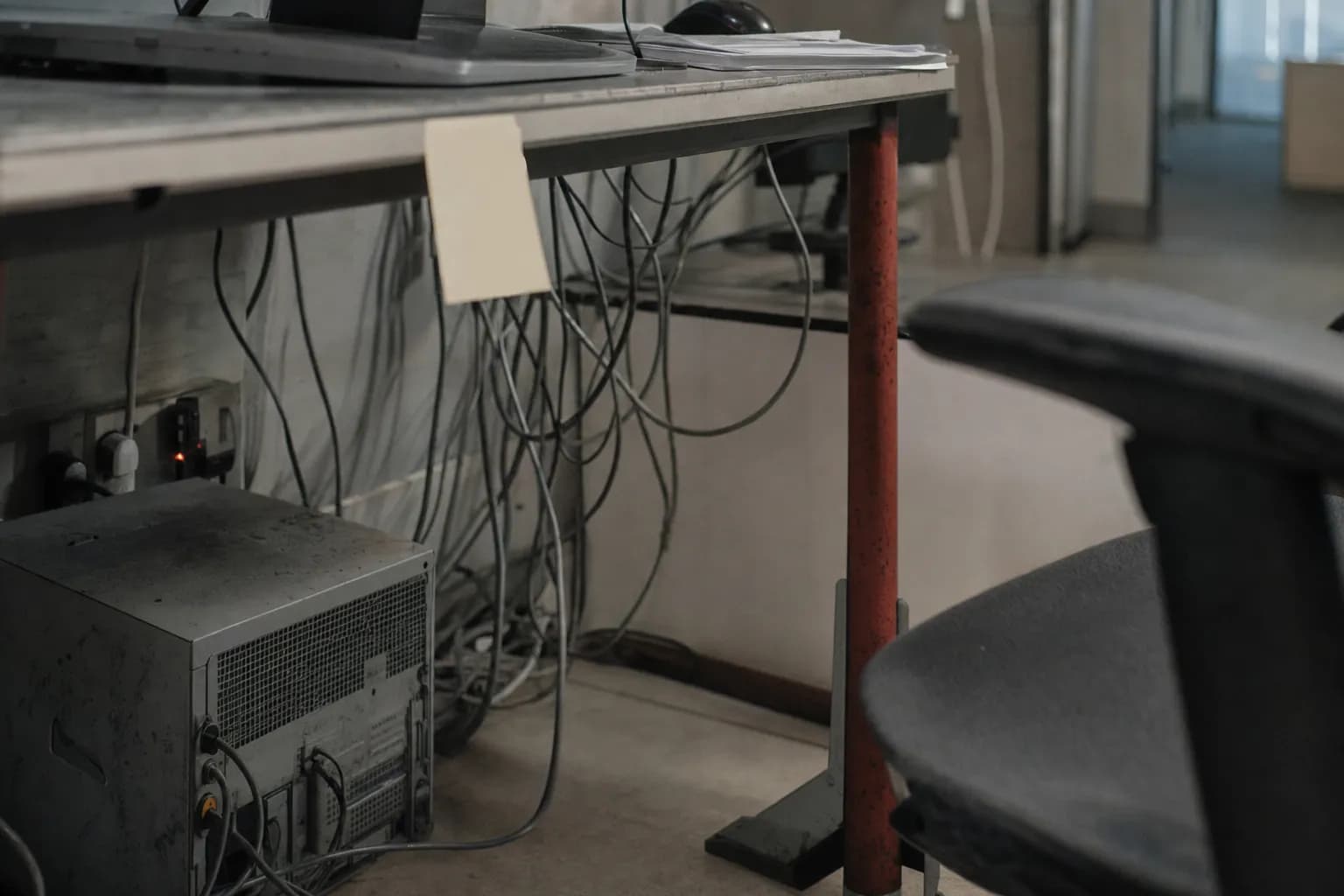
What it usually looks like
A customer calls to ask whether the repair at their building is finished. The office manager checks the system, which says in progress. She texts the technician, who is under a machine at another site and does not answer. She calls the field supervisor, who thinks the job was finished yesterday but is waiting on a part for one unit. Twenty minutes and three people later, she calls the customer back with an answer she is only half sure of. The same thing happens several more times before lunch.
Signs you have this problem
- The office calls or texts crews several times a day to ask where things stand
- Customers ask for updates the office cannot give without checking first
- Status in the system says scheduled or in progress long after the work changed
- Supervisors spend part of their day relaying information between the field and the office
What usually causes it
- Status is known in the field but has no easy path to the officeThe field-to-office split
- Jobs waiting on parts, approvals or a return trip are not on any list the office can seeThe invisible queue
- Updates pass through a supervisor or dispatcher and stop when that person is busyThe handoff gap
What to try this week
- Log the status calls for a weekHave everyone in the office note each call or text they make to find out where a job stands, and why they needed to know.
- Define a few statuses that matterAgree on a short list of statuses the office actually acts on, such as on site, done, waiting on parts, or needs a return trip. Fewer is better.
- Make waiting jobs visibleKeep one shared list of jobs that are stuck, with what they are waiting on and since when. Review it every morning.
- Set one end-of-job habitAsk crews to send one short status message in a fixed format at the end of each job. Keep it to the statuses you defined.
- Check against your own recordsCompare the status the office believed with what actually happened for a sample of jobs. The mismatches show where the path breaks.
Where do-it-yourself stops
These steps cut the calls and show where status gets stuck. They still rely on people remembering to send updates and someone reading them. A lasting fix is a tool built around how your crews already work and the systems your office uses, so status arrives in the right shape without an extra report or retyping. That is what a Workflow Spec designs.
Questions people ask
Why does it take a phone call to know a job's status?
Because the crew knows the status, but telling the office is an extra step with no easy path. So the office has to ask.
Will GPS tracking solve it?
It shows where a truck is, not whether the job is done, stuck or waiting on a part. Location is not status.
Should crews update status in the office system?
Only if doing it is quicker than a text. Office systems are usually built for the office, and crews fall back to calling.
What does the phone-call habit cost?
Interrupted crews, office time spent chasing, and slower answers to customers. Log your own calls for a week to see the size of it.
Which jobs matter most to track?
The ones that are stuck. Jobs moving normally need little attention; jobs waiting on something are where time and customers are lost.
Next step
How we fix this
This guide is how to find it and work around it. If it keeps coming back, the fix is usually a tool built around how your crew already works.
Fox & Santiago, Genesee, Idaho. Home territory: the Inland Northwest, where we respond fastest. We fly anywhere in the United States for paid engagements.