Problem guide
Repeat customers have to explain their site every time
Repeat customers have to explain their site every time because what your people learned on past visits was never written down anywhere the next person can find it, or it was written down in a job that is now closed. Keep a short, living record for each customer site, and make checking it the first step of every new request.
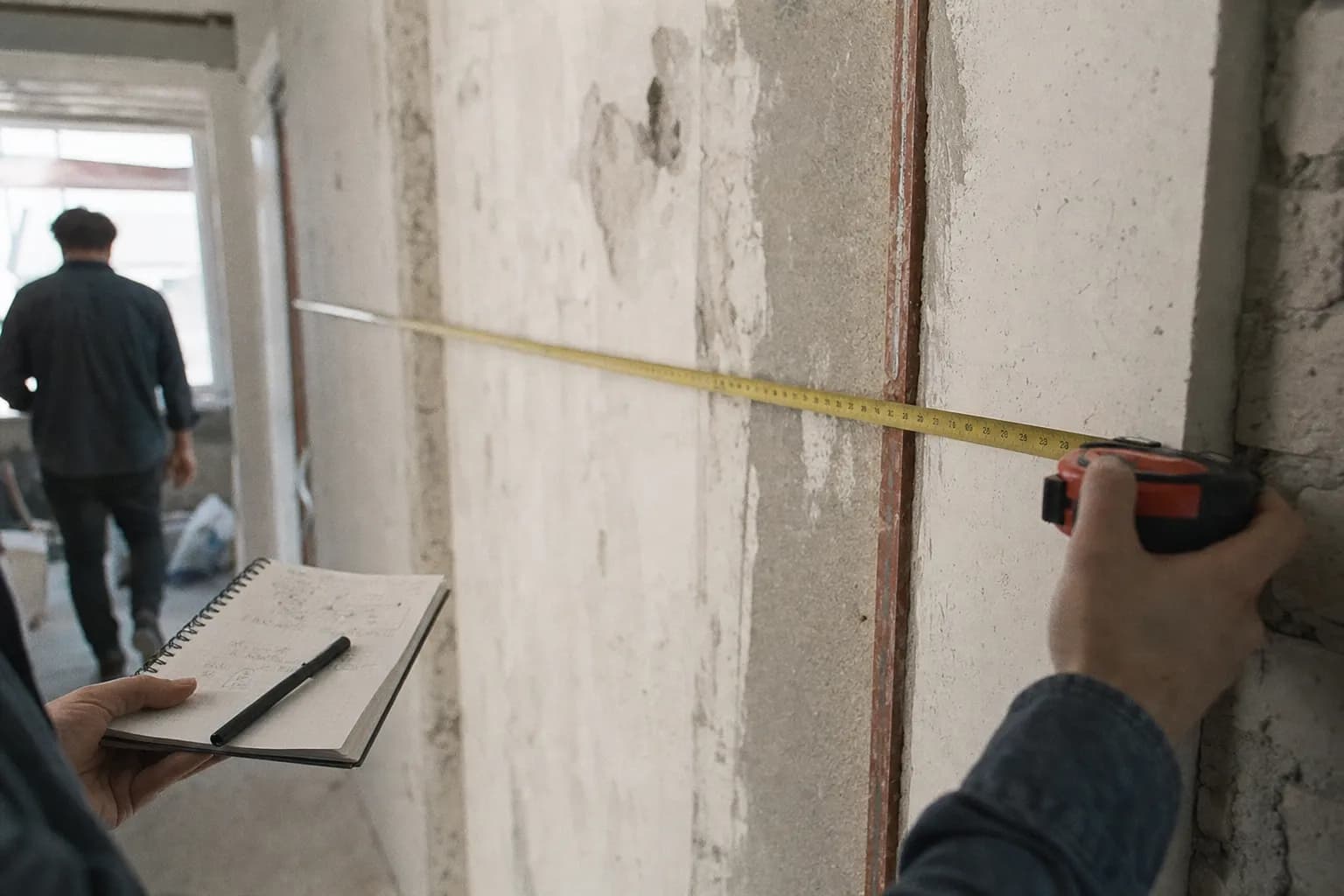
What it usually looks like
A food processing plant has used the same mechanical contractor for years. Every time the maintenance supervisor calls for service, the office asks which gate to use, whether the crew needs hairnets and a badge, and where the roof hatch is. The one technician who knows the plant by heart is on vacation, so the crew that goes out waits at the wrong gate and has no lockout tags for the plant's equipment. The supervisor explains all of it again on the phone, as he did last spring, and wonders why he keeps having to.
Signs you have this problem
- Customers sigh and say we have been through this before
- Gate codes, contacts, access rules and equipment details are asked for on every call
- Only one technician or salesperson knows how a particular site works
- Crews arrive without keys, badges or permits the site always requires
- Past job notes exist but are buried inside closed jobs or old emails
What usually causes it
- Site knowledge is stored in closed jobs, emails and people's heads instead of a record the next person readsThe handoff gap
- What the field learns about a site never makes it back to the office where requests are takenThe field-to-office split
- Every site's quirks are handled as one-off exceptions instead of recorded conditionsThe exception swamp
What to try this week
- List your top repeat customers and sitesPick the customers and sites you visit most often. For each one, note who on your team actually knows how that site works.
- Write a one-page site sheet for eachCapture the contacts, access rules, codes, safety requirements, key equipment and anything that has caused trouble before. Ask the people who know the site to review it.
- Keep the sheets where requests are takenStore the site sheets in one place the office and sales can open while the customer is on the phone. Name them the way customers refer to their sites.
- Update the sheet after every visitAsk crews to report anything new or changed about a site at the end of a job, and have one person add it to the sheet that week.
Where do-it-yourself stops
These steps save your repeat customers from repeating themselves for the sites you cover, and they show you how much knowledge sits with one or two people. They do not keep the record current on their own, and they do not connect it to your CRM, your scheduling or your work orders, so it depends on someone remembering to check and update it. A lasting fix is a tool built around your own systems, so what the field learns about a site is there the next time anyone touches that customer. That is what a Workflow Spec designs.
Questions people ask
Why do repeat customers have to explain their site every time?
Because what your team learned on past visits lives in people's heads and in closed jobs, not in a record the next person sees when a new request comes in.
Doesn't our CRM already store customer information?
It usually stores contacts and history. Site details such as access, hazards and quirks often live in job notes that are hard to find once the job is closed.
What should a site record include?
Only what the next person needs: contacts, access and security rules, safety requirements, key equipment and anything that went wrong before. Keep it short enough to read on a call.
Who should keep site records up to date?
The people who visit the site report changes, and one named person in the office updates the record. Without a named owner, the record goes stale.
What does it cost to make customers repeat themselves?
Longer calls, wasted trips when crews arrive unprepared, and repeat customers who start to feel like new ones. Count your own return trips caused by missing site details first.
Next step
Want this fixed for good?
This guide is how to find it and work around it. If it keeps coming back, the fix is usually a tool built around how your crew already works. Start with a free twenty-minute fit call.
Fox & Santiago, Genesee, Idaho. Home territory: the Inland Northwest, where we respond fastest. We fly anywhere in the United States for paid engagements.