Problem guide
Estimates don't match actual job costs
Estimates stop matching actual job costs when what the crew really spends, in hours, materials and extra trips, never makes it back to the people who price the next job. Compare estimate to actual on every finished job, line by line, and feed the gaps back into how you estimate.
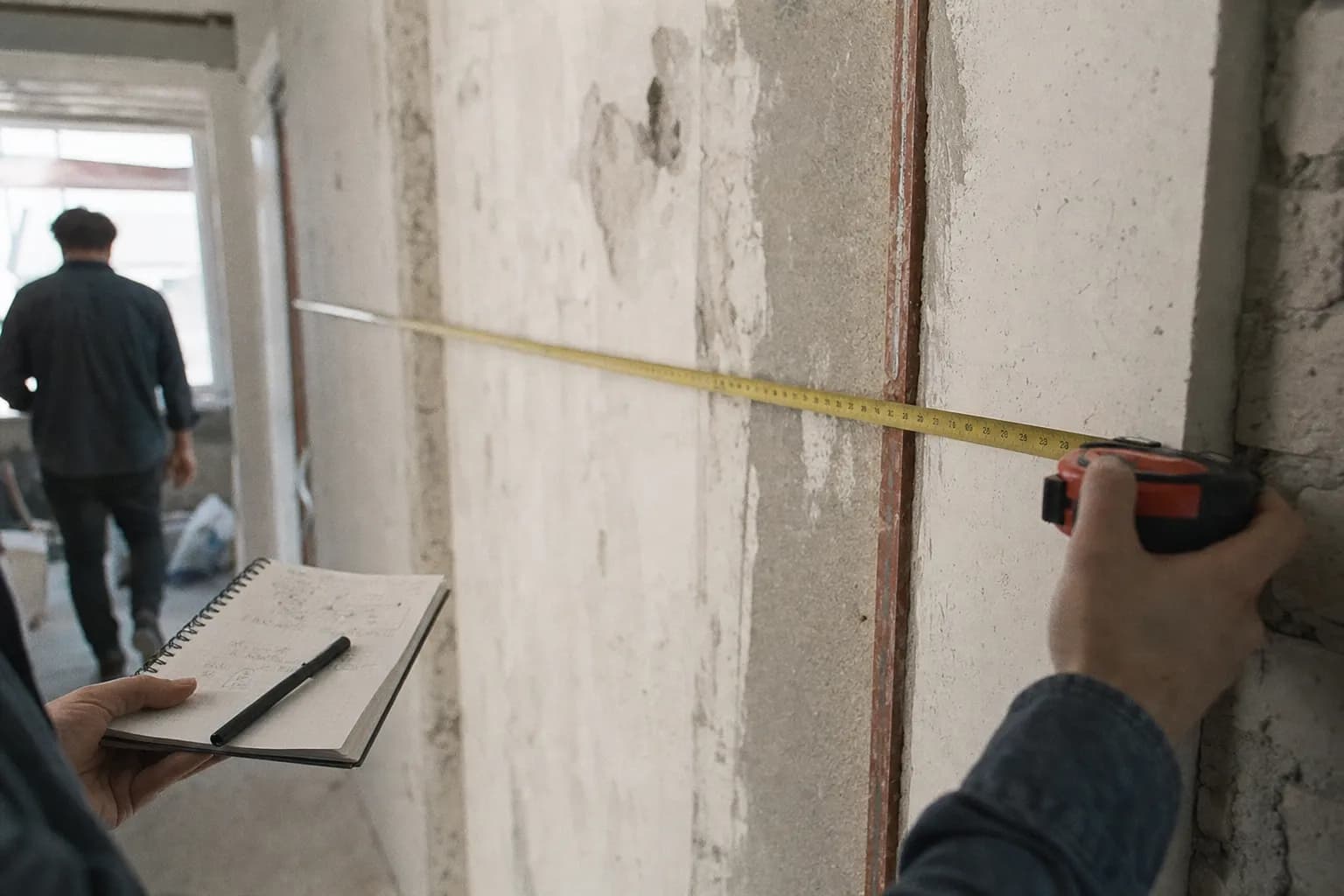
What it usually looks like
An estimator prices a boiler replacement the way he has priced them for years: two techs, two days, standard materials. On site, the old unit has to come out in pieces because the stairwell is narrow, and the crew makes an extra supply run on day two. The hours land on paper timesheets. The extra materials show up on a vendor invoice a month later, coded to the job by someone in accounting. The job loses money. Nobody tells the estimator, and next month he prices the next boiler replacement the same way.
Signs you have this problem
- Jobs that looked profitable on the estimate lose money when the books close
- Estimators price from memory or old spreadsheets instead of recent job results
- Nobody compares the estimate to the actual cost once a job is finished
- Actual hours and materials arrive weeks after the job, if they arrive at all
- The same kind of job keeps going over in the same way
What usually causes it
- Actual hours and materials are recorded in the field and never reach the estimator in a usable formThe field-to-office split
- Job costs have to be retyped from tickets and invoices before anyone can compare them to the estimateThe re-entry trap
- Nobody owns the moment a finished job hands its results back to estimatingThe handoff gap
What to try this week
- Pick five finished jobs and compare line by lineTake five recently finished jobs of a common type. Put the estimated labor, materials, equipment and trips next to what was actually spent, and note which lines were off and by how much.
- Look for the line that is always wrongEstimates usually miss in the same place every time, such as travel, setup, cleanup or a particular kind of material. Find your repeat offender before changing anything else.
- Ask the crew what the estimate left outTalk to the crew lead on a job that went over. They can usually name the conditions or tasks the estimate did not account for in a few minutes.
- Make estimate versus actual a standing reviewSet a short review every two weeks where the estimator sees the comparison for recently finished jobs. Keep the list of lessons where estimators will see it when they price.
Where do-it-yourself stops
These steps tell you where your estimates miss and start a habit of looking. They do not get actual hours and materials back from the field in a form the estimator can use without someone retyping and matching it by hand, so the review tends to fade once things get busy. A lasting fix is a tool built around your own field records and your own estimating system, so every finished job reports back against its estimate on its own. That is what a Workflow Spec designs.
Questions people ask
Why don't our estimates match actual job costs?
Usually because actual costs are captured in the field or in accounting and never come back to estimating in a form anyone can compare. Without that loop, estimates drift and nobody sees it.
Is this an estimator skill problem?
Rarely on its own. Even a strong estimator prices from what they know. If they never see how their last jobs actually ran, their numbers cannot improve.
Should we just add contingency to every estimate?
Padding hides the problem and can price you out of work. Find the lines that are actually wrong and fix those instead.
How often should we compare estimate to actual?
On every finished job if you can, and at least on a regular sample of common job types. The habit matters more than the frequency.
What does a bad estimate cost us?
Lost margin on jobs you win and lost work on jobs you overprice. Compare a few months of estimates to actuals to see your own pattern before putting a number on it.
Next step
Want this fixed for good?
This guide is how to find it and work around it. If it keeps coming back, the fix is usually a tool built around how your crew already works. Start with a free twenty-minute fit call.
Fox & Santiago, Genesee, Idaho. Home territory: the Inland Northwest, where we respond fastest. We fly anywhere in the United States for paid engagements.