Problem guide
Project documents can't be found when the crew needs them
Crews can't find project documents when drawings, submittals, answers and specs are spread across email, shared drives and paper sets, and nobody knows which version is current. Keep one current set per job in one place the crew can reach from the site, and mark clearly what has been replaced.
What it usually looks like
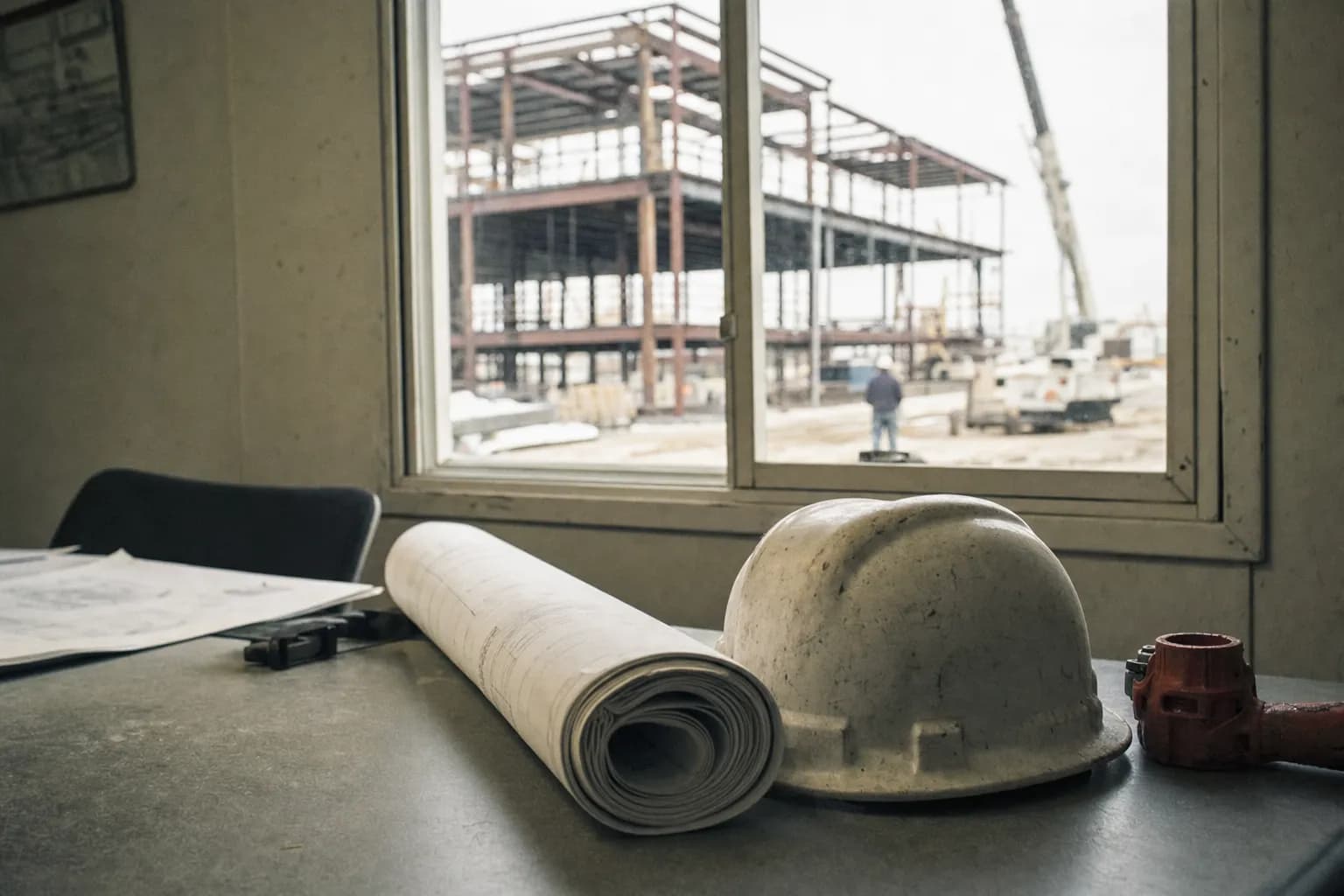
A plumbing foreman on a medical office build needs the revised riser detail before his crew can set sleeves. The architect issued it two weeks ago by email to the project manager, who saved it in a folder on his laptop. The site trailer still has the original set. The foreman calls the office, the office calls the project manager, and the project manager is in a meeting. The crew sets the sleeves from the old sheet to keep moving. A week later the revised detail turns up, and the sleeves have to be cored and redone.
Signs you have this problem
- Foremen call the office to ask someone to find and send a drawing or submittal
- Crews build from an old drawing because the revision never reached the site
- The same document exists in several folders and email threads with different dates
- Answers to field questions are in someone's inbox, not with the drawings
- Work stops while the crew waits for a document the office knows exists somewhere
What usually causes it
- New revisions and answers arrive by email in the office and do not reach the site setThe field-to-office split
- Documents are handed from estimating to the project team to the field without a clear current setThe handoff gap
- Nobody can see which documents on a job have been replaced, so outdated copies stay in useThe invisible queue
What to try this week
- Log the document hunts for two weeksAsk the office to note every call or text from the field asking for a document, what it was and how long it took to send. The list shows which kinds of documents go missing most.
- Pick one home per jobChoose one folder or location per job as the only current set, with the same structure on every job. Tell everyone that anything outside it is a copy.
- Mark replaced documents plainlyWhen a drawing or spec is revised, move the old one to a clearly named superseded folder the same day. On site, pull or mark the old paper sheet.
- File answers next to what they answerWhen a question from the field gets an answer, save it in the job's home next to the related drawing or spec, not only in email.
- Check the site set on a regular walkHave the project manager or superintendent compare the site set against the current set on a regular schedule and fix any mismatch on the spot.
Where do-it-yourself stops
These steps cut down the hunting and the old-drawing mistakes while the habit holds. They do not keep the site set current by themselves when revisions and answers keep arriving by email, and the job home depends on someone filing every document by hand. A lasting fix is a tool built around your own jobs and the way documents actually arrive, so the current version reaches the crew without anyone forwarding it. That is what a Workflow Spec designs.
Questions people ask
Why can't the crew find the drawings they need?
Usually because documents arrive in the office by email and live in several places, and nobody owns getting the current version to the site.
Should crews carry paper sets or tablets?
Either works if there is one current set and old versions are removed. The medium matters less than keeping it current.
Who should keep the job's documents current?
One named person per job, usually a project engineer or project manager. Shared responsibility tends to mean old versions stay in circulation.
How do we stop crews building from old drawings?
Remove or plainly mark superseded sheets the day a revision arrives, and check the site set on a regular walk.
What does it cost when documents can't be found?
Waiting crews, rework from old drawings and office time spent hunting. Log your own document hunts before putting a number on it.