Problem guide
Questions to the engineer or owner go unanswered
Questions to the engineer or owner go unanswered when they are sent loosely by email or phone, with no clear question, no needed-by date and no one tracking them. Log every question in one place with the date it is needed, follow up on a set rhythm, and show which open questions are holding up work.
What it usually looks like
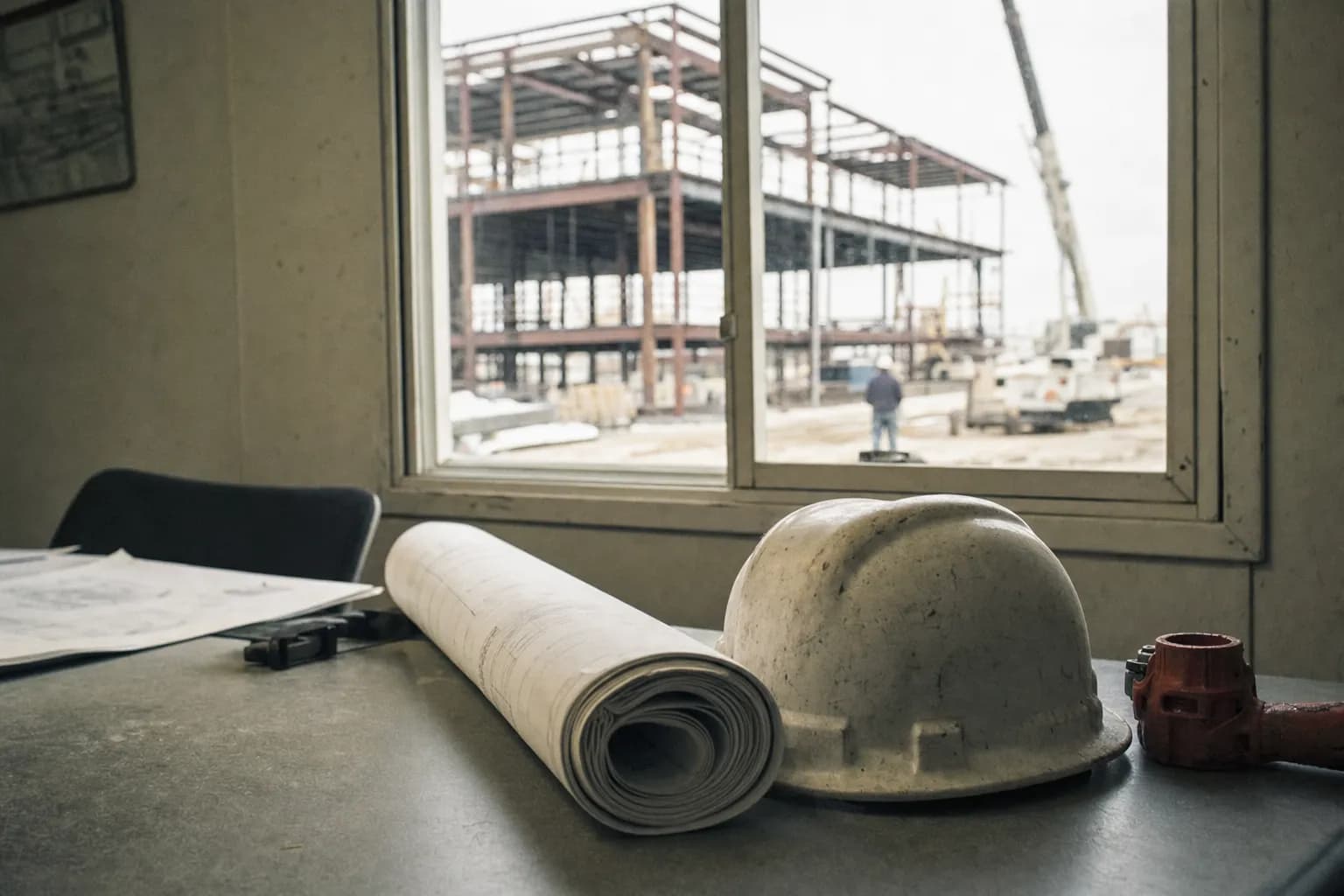
A foreman finds that a beam shown on the drawings runs right where the duct is supposed to go. He calls the project manager, who emails the engineer that night with a two-line note and no photo. The engineer replies asking for a sketch. The sketch goes out three days later. Meanwhile the crew skips that area and works elsewhere. A week later, nobody has heard back, and nobody has followed up because the email is buried. When the answer finally arrives, the crew has already been moved to another job and has to be brought back.
Signs you have this problem
- Crews wait or work around a problem while a question sits with the engineer or owner
- Nobody can list every open question on a job and how long each has been waiting
- The same question gets asked twice because the first answer was lost in email
- Answers come back vague because the question itself was unclear
- Delays caused by waiting on answers are hard to show later because nothing was logged
What usually causes it
- The question starts on site and reaches the office late or loosely worded, before it is sent to the designerThe field-to-office split
- Questions sit with the engineer or owner with no needed-by date and no reminderApproval drag
- Open questions are spread across inboxes and phone calls, so nobody sees which are stuckThe invisible queue
What to try this week
- Build one open question log per jobList every question sent to the engineer, architect or owner that has not been answered, with the date sent, who it went to and what work it affects. Review it in every job meeting.
- Add a needed-by date to every questionState when the answer is needed to avoid holding up work. A date gives the other side a reason to answer this one first.
- Make each question clear and completeAsk one question at a time, include the drawing or spec reference, a photo, and a suggested answer when you have one. Clear questions come back faster.
- Follow up on a set scheduleAgree internally when an open question gets a follow-up and when it gets raised with a more senior person. Use the same rule on every job.
- Record the answer where the crew can see itWhen an answer arrives, log it with the date and put it with the job's current documents, then tell the crew. Follow your contract's process for formal questions and any cost or time impact.
Where do-it-yourself stops
These steps get questions answered faster and give you a record of how long each one waited. They do not move a question from the site to the designer and the answer back to the crew without someone rewriting and forwarding it, and the follow-up still depends on a busy project manager remembering. A lasting fix is a tool built around your own jobs and your own question process, so every question is tracked from the field to the answer. That is what a Workflow Spec designs.
Questions people ask
Why do questions to the engineer take so long to answer?
Often because they arrive unclear, with no needed-by date, and nobody follows up. The designer is answering many jobs and answers the ones that are clear and urgent first.
What should a good field question include?
One clear question, the drawing or spec reference, a photo, the date the answer is needed and, when possible, a suggested answer.
Who should track open questions?
One named person per job, usually a project engineer or project manager, with the log reviewed in every job meeting.
What if an answer changes cost or schedule?
Follow your contract's process for notice and change orders, and ask counsel if you are unsure. Log the date the question was sent and answered either way.
What does waiting on answers cost us?
Crews waiting or working around a problem, rework when the answer comes late, and delays that are hard to show later. Log your own wait times before putting a number on it.
Next step
Want this fixed for good?
This guide is how to find it and work around it. If it keeps coming back, the fix is usually a tool built around how your crew already works. Start with a free twenty-minute fit call.
Fox & Santiago, Genesee, Idaho. Home territory: the Inland Northwest, where we respond fastest. We fly anywhere in the United States for paid engagements.