Problem guide
Tools and equipment go missing between jobs
Tools and equipment go missing when they move between jobs, trucks and the shop without anyone recording who has them. Give each tracked item a label and a home, record who takes it and to which job, and check the list of what is out every week.
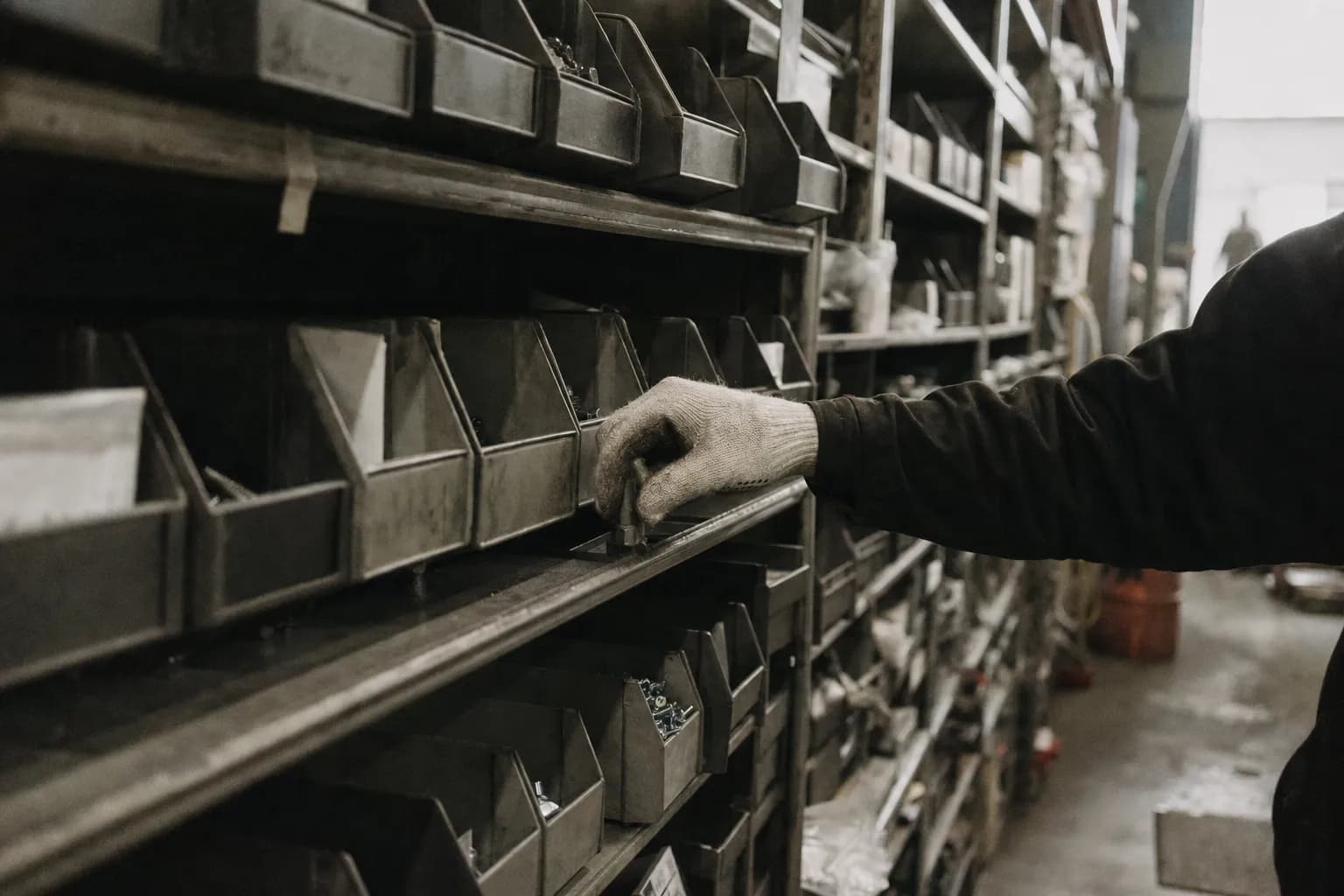
What it usually looks like
A crew is scheduled to core drill a slab on Thursday. On Wednesday afternoon the foreman looks for the drill and it is not in the shop. Someone thinks it went out with another crew last month. That crew says they left it at the hospital job for the next phase. The hospital job foreman has never seen it. By five o'clock the office rents a drill for the week. Two weeks later a laborer finds the company's drill in the back of a pickup that has been parked at the yard the whole time.
Signs you have this problem
- Crews lose time at the start of a job looking for a tool the shop says it has
- Equipment gets rented or bought because nobody can find the one you own
- A tool shows up on a job site weeks after the job ended
- Nobody can say which crew had a piece of equipment when it was damaged
- Calibration or service dates are missed because the item cannot be located
What usually causes it
- Tools move between crews and jobs by word of mouth, with no record of who has themThe handoff gap
- Nobody can see what is checked out, where, or for how longThe invisible queue
- Equipment leaves the shop from the field side and returns on no schedule the office knows aboutThe field-to-office split
What to try this week
- List what is worth trackingWrite down the tools and equipment that cost real money to replace or rent, or that hold up a job when missing. Leave hand tools and consumables off the list.
- Find everything on the list onceSpend a day locating each item: shop, truck, or job site. Note what cannot be found and when it was last seen.
- Label each item with a numberGive each tracked item a number and a home location. Paint, a tag, or a label is fine to start.
- Use a sign out sheetNothing on the list leaves the shop without a line saying who took it, for which job, and when. Anything moving truck to truck gets a text to one named person.
- Review what is out every weekOnce a week, check the sheet for items out longer than the job needs. Ask about each one while the trail is still fresh.
Where do-it-yourself stops
These steps show you what you have and slow the losses. A sign out sheet only works when people remember it, and it cannot tell a scheduler whether a machine will be free next week. A lasting fix needs a tool built around your own jobs, crews and equipment, so checking something out is tied to the job it goes to and returning it is visible to everyone. That is what a Workflow Spec designs.
Questions people ask
Why do tools and equipment go missing between jobs?
Because they move through many hands and places with no record of who has them, so the trail goes cold within days.
Should we track every tool?
No. Track what is expensive to replace or holds up a job when missing. Tracking everything makes people stop tracking anything.
Do we need GPS trackers?
They help find large equipment. They do not tell you who took it or for which job, which is where most losses start.
Should crews be charged for lost tools?
It tends to make people hide problems. Start by recording who has what. Accountability is easier once there is a record.
How do we measure the loss?
Count the items you cannot find after your first search, and track rentals and purchases of things you already own. Measure your own before estimating.
Next step
How we fix this
This guide is how to find it and work around it. If it keeps coming back, the fix is usually a tool built around how your crew already works.
Fox & Santiago, Genesee, Idaho. Home territory: the Inland Northwest, where we respond fastest. We fly anywhere in the United States for paid engagements.